
Picture this: you're enjoying a quiet afternoon in the backyard when you glance over and realize your little Chihuahua or Maltese has slipped through a gap in the fence. Your heart sinks. You call their name, but there's nothing — no jingling tags, no tiny paws padding back toward you. For owners of small dogs, this scenario is an all-too-real nightmare.
Small breeds face dangers that larger dogs often don't. Their size makes them harder to spot in tall grass, easier for predators to target, and more likely to be scooped up by strangers. A few minutes of being lost can quickly turn into a genuine emergency, and traditional ID tags simply aren't enough when every second counts.
Modern GPS trackers have changed the game entirely. These compact devices attach directly to your dog's collar and give you real-time location updates, activity monitoring, and instant alerts — all from your smartphone. No more frantic neighborhood searches or desperate social media posts.
This article is designed to help you find the best GPS tracker for small dogs. We'll walk through the essential features to prioritize, review top options including the DBDD GPS Tracker, and give you a practical guide to choosing and setting up the right device for your pet's safety and your peace of mind.
Why GPS Tracking is Essential for Small Dogs
Small dogs occupy a uniquely vulnerable position in the world. A Yorkshire Terrier weighing four pounds can vanish into a hedge, squeeze under a gate, or wander into traffic before you even notice they're gone. Unlike larger breeds that are easier to spot from a distance, small dogs can disappear in seconds — and the consequences can be devastating. Predatory birds, coyotes, and even well-meaning strangers who assume a wandering small dog is stray all pose real threats that owners must take seriously.
The window for safe recovery narrows quickly. Studies on lost pets show that the first hour after a dog goes missing is the most critical for a safe return. Traditional methods — posting flyers, walking the neighborhood, calling shelters — are slow and uncertain. By the time you've organized a search, your dog could be miles away or in serious danger.
GPS technology closes that gap dramatically. A quality tracker gives you your dog's exact coordinates in real time, letting you move directly toward them rather than searching blindly. Beyond emergencies, continuous monitoring helps you understand your dog's daily patterns, flag unusual behavior that might signal health issues, and set safe zone boundaries that alert you the moment your pet strays. For small dog owners, this isn't a luxury — it's a practical layer of protection that traditional ID tags and microchips simply cannot match when immediate action is required.
Key Features to Look for in a GPS Tracker for Small Dogs
Choosing the right GPS tracker for a small dog isn't just about picking the most popular device on the market. Small breeds have specific physical and behavioral needs that make certain features non-negotiable. A tracker that works beautifully for a Labrador might be far too heavy or bulky for a Chihuahua or Toy Poodle. Before you invest, understanding which capabilities genuinely matter for dog tracking and pet safety will save you frustration and, more importantly, keep your dog protected.
Real-Time Location Tracking for Immediate Peace of Mind
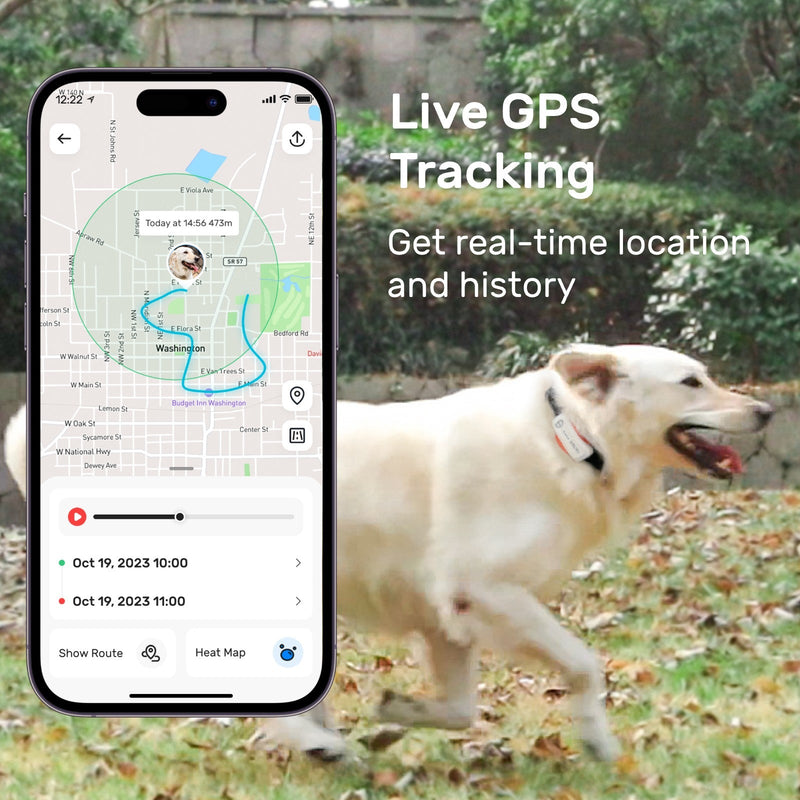
Real-time location tracking is the foundation of any worthwhile GPS tracker. These devices combine GPS satellite data with cellular networks to pinpoint your dog's position and push that information directly to your smartphone, typically updating every few seconds to every minute. The best trackers display your pet's location on a live map, log historical routes so you can review where they've been, and support geofencing — a feature that lets you draw a virtual boundary around your home or yard. The moment your dog crosses that boundary, you receive an instant alert. For small dogs who can slip away unnoticed, that immediate notification can be the difference between a quick recovery and a prolonged, stressful search.
Health and Activity Alerts to Monitor Your Pet's Well-Being
Beyond location, many modern trackers double as health monitors, which is particularly valuable for small breeds prone to weight gain and joint issues. Look for devices that track daily step counts, rest periods, and overall activity levels, then compare them against breed-specific baselines. Some trackers flag sudden drops in activity or unusual nighttime restlessness — early signals that something may be physically wrong. Sleep monitoring features help you spot disrupted patterns that might indicate pain or anxiety. These health insights give you a fuller picture of your dog's well-being between vet visits, turning your tracker into a proactive wellness tool rather than just an emergency device.
Review of Top GPS Trackers: Focusing on DBDD GPS Tracker and Alternatives
With dozens of GPS trackers on the market, narrowing down the right option for a small dog requires looking beyond marketing claims. The best devices balance compact design with reliable real-time location accuracy, long battery life, and intuitive app experiences. Below, we take a closer look at the DBDD GPS Tracker and how it stacks up against other leading options in the dog tracking space.
DBDD GPS Tracker: Features, Pros, and Cons for Small Dogs
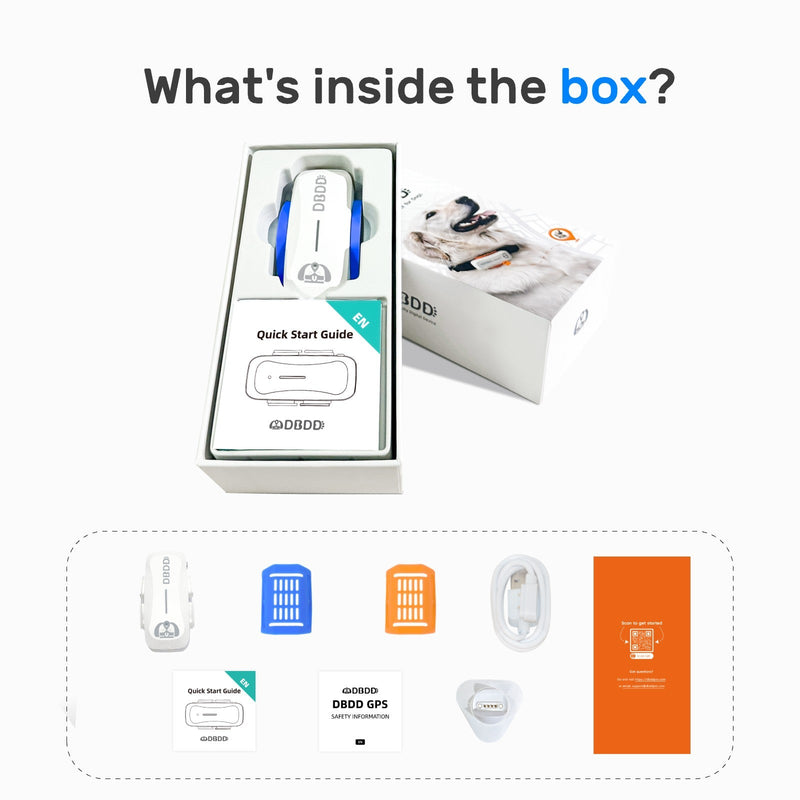
The DBDD GPS Tracker is specifically designed with small and medium breeds in mind, making it a strong contender for owners of Chihuahuas, Shih Tzus, and similar compact dogs. Its lightweight build sits comfortably on a small dog's collar without causing strain or irritation, which is a common complaint with bulkier trackers. The device delivers real-time location updates through a responsive smartphone app, complete with live map views and customizable geofencing zones. Battery performance is solid for everyday use, and the app's interface is straightforward enough for non-technical users to navigate confidently. On the downside, like most GPS trackers, it requires an active cellular subscription to function — an ongoing cost worth factoring into your budget. Coverage can also vary slightly in heavily rural or mountainous areas where cellular signals are weaker.
Comparison with Other Leading Dog Tracking Devices
When comparing the DBDD GPS Tracker to other popular trackers, a few distinctions stand out. Some competitors offer longer battery life but sacrifice real-time precision, relying on less frequent location updates that can leave gaps during a fast-moving escape. Others excel in health monitoring features — detailed activity scoring and vet health reports — but come in heavier form factors that aren't ideal for very small breeds. Budget-friendly alternatives may skip subscription fees by using Bluetooth instead of cellular, but their limited range makes them impractical for genuine emergencies. The DBDD GPS Tracker strikes a practical middle ground: reliable real-time tracking in a size-appropriate package, making it a well-rounded choice for small dog owners prioritizing pet safety above all else.
How to Choose the Best GPS Tracker for Your Small Dog
Selecting the right GPS tracker for a small dog comes down to matching the device's capabilities to your dog's specific size, habits, and environment. Start with weight and dimensions — anything over 1.5 ounces can feel burdensome on a tiny breed, causing discomfort or encouraging your dog to scratch at the collar. Check the manufacturer's weight recommendations and, when possible, compare the tracker's dimensions against your dog's collar width before purchasing.
Battery life is the next critical factor. A tracker that dies after eight hours offers little protection for dogs left home alone during a full workday. Look for devices offering at least 24 hours of continuous use, and check whether power-saving modes reduce tracking frequency in ways that could matter during an emergency. Alongside battery performance, evaluate the subscription model carefully — monthly cellular plans vary widely in cost and coverage area, so confirm the network works reliably in your region, especially if you live rurally or travel frequently with your dog.
Finally, consider the app experience and ease of setup. A tracker is only as useful as your ability to operate it quickly under stress. Prioritize apps with clean interfaces, fast location refresh rates, and straightforward geofence configuration. If health monitoring matters to you, verify that the tracker offers breed-appropriate activity baselines rather than generic benchmarks, which tend to be inaccurate for small dogs. Matching these practical factors to your daily routine will lead you to a device that genuinely enhances your pet's safety rather than sitting unused in a drawer.
Setting Up and Using Your GPS Tracker: A Step-by-Step Guide
Getting your GPS tracker up and running is straightforward when you follow a logical sequence. Start by fully charging the device before first use — most trackers signal a complete charge through a solid LED indicator. Next, download the manufacturer's companion app on your smartphone and create an account, then activate your cellular subscription if required. Pair the tracker to your account by scanning the device's QR code or entering its serial number within the app. Once connected, attach the tracker securely to your dog's collar, ensuring it sits snug without restricting movement. Run a quick location test by walking your dog outside and confirming the live map updates accurately. Finally, configure your geofence boundaries around your home and enable push notifications so alerts reach you instantly. Test the alert system before relying on it — a five-minute walk beyond your set boundary confirms everything is working correctly.
Protect Your Small Dog with the Right GPS Tracker
Small dogs deserve big protection, and modern GPS trackers deliver exactly that. Throughout this article, we've explored why small breeds face unique risks that make rapid location recovery so critical, what features genuinely matter — from real-time tracking and geofencing to health monitoring and activity alerts — and how devices like the DBDD GPS Tracker offer a well-balanced solution for compact breeds. We've also walked through the practical side: how to evaluate trackers against your dog's size and daily routine, and how to get your device set up and working reliably from day one.
The right GPS tracker doesn't just help you find your dog when something goes wrong — it gives you ongoing visibility into their health, habits, and safety that simply wasn't possible a decade ago. Whether your priority is instant location alerts, breed-appropriate activity monitoring, or straightforward app navigation, there's a tracker designed to meet that need.
Don't wait for a scare to take action. Invest in a reliable GPS tracker today, configure your geofence boundaries, and give yourself the peace of mind that comes from knowing exactly where your small dog is — every single day. Your pet's safety is worth it.