
Self-cleaning litter boxes have become a go-to solution for busy pet owners who want to keep their homes fresh without constant manual scooping. The appeal is obvious — automated mechanisms handle the dirty work, leaving you more time to focus on bonding with your cat rather than managing waste. For modern pet care enthusiasts, these devices feel like a genuine quality-of-life upgrade.
However, a common misconception surrounds these devices: many owners assume that "self-cleaning" means "self-maintaining." In reality, automation handles only one part of the equation. The mechanical components, sensors, waste receptacles, and litter chambers all require regular human attention to function safely and effectively. Neglecting this upkeep creates a tension between the convenience these machines promise and the real risks they can pose — from electrical hazards to compromised cat health.
This guide is designed to resolve that tension. By walking through practical safety protocols and structured maintenance routines, you'll learn how to protect your cat from potential harm, extend the life of your device, and fully realize the benefits that self-cleaning cat litter box technology was designed to deliver. Safe maintenance isn't a burden — it's what makes the convenience worthwhile.
Identifying and Mitigating Safety Risks in Self-Cleaning Litter Boxes
Owning a self-cleaning litter box comes with a responsibility that many pet owners underestimate: actively identifying and managing the safety risks these devices introduce. Unlike a simple litter pan, automated units combine rotating mechanisms, electronic sensors, and power sources — each carrying its own potential hazards. Proactive risk assessment isn't optional; it's the foundation of responsible use. Before your cat takes a single step inside, you should understand what can go wrong and how to prevent it.
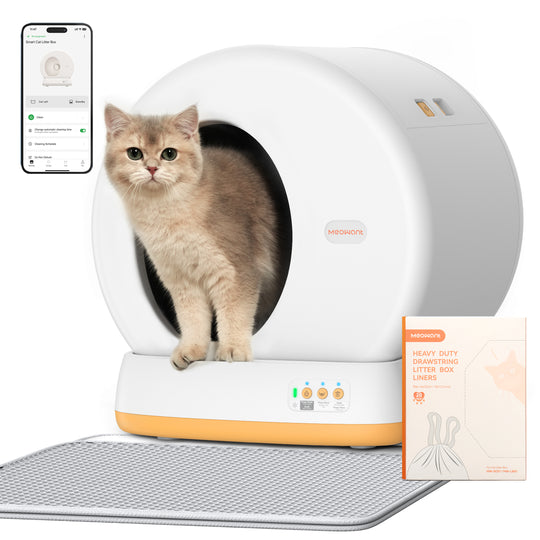
Mechanical and Electrical Hazard Prevention
The moving parts inside self-cleaning units — rakes, rotating globes, conveyor systems — can jam when foreign objects or clumped litter accumulate beyond normal levels. A jammed mechanism strains the motor, shortening its lifespan and potentially causing overheating. To prevent this, inspect the rake or rotation assembly every few days, clearing any compacted debris before it becomes a blockage. Electrical risks are equally serious. Moisture from litter tracking or accidental splashing can compromise power connections, so always position your unit on a dry, level surface away from water sources like sinks or exterior walls prone to condensation. Plug the device into a surge protector rather than directly into a wall outlet — this single step guards against voltage spikes that can damage internal circuitry. Routinely check power cords for fraying, kinking, or bite marks, and never run cords under rugs where heat buildup goes unnoticed.
Ensuring Cat Safety and Comfort
Automated cleaning cycles can startle cats, particularly when motors activate unexpectedly. A frightened cat may avoid the box entirely, leading to inappropriate elimination and stress-related health issues. Introduce the device gradually by keeping it unplugged for the first few days, allowing your cat to explore it as a static object. Once your cat uses it comfortably, enable the cleaning cycle only after observing that your cat has exited and is at a safe distance. Choose models equipped with motion sensors or programmable delay features — brands like Meowant design their units with these safety-focused functions built in — as these pause the cycle if the unit detects presence, preventing a cat from being caught inside during operation. Monitor your cat's behavior closely during the first two weeks; reduced litter box visits or visible anxiety signals a need to slow down the acclimation process.
Comprehensive Guide to Self-Cleaning Litter Box Maintenance
A structured litter box maintenance schedule transforms what might feel like an overwhelming chore into a manageable routine. Rather than reacting to problems after they develop — stubborn odors, malfunctioning cycles, overflowing waste drawers — consistent upkeep keeps the system running smoothly from the start. Think of maintenance in three tiers: quick daily checks, more thorough weekly cleaning, and comprehensive monthly inspections.
Daily and Weekly Maintenance Routines
Each day, take sixty seconds to verify the waste drawer hasn't reached capacity. An overfull drawer forces the rake to deposit waste back into the litter bed, defeating the entire purpose of automation and creating unsanitary conditions. While checking the drawer, use a dry cloth or cotton swab to wipe any dust or litter particles off the motion sensors — clogged sensors misread presence and can trigger cycles at the wrong time. Also glance at the litter level; most units require a consistent fill line to function correctly, so top off as needed with a compatible clumping litter.
Weekly cleaning goes deeper. Power down the unit completely before disassembly. Remove the waste drawer, rake assembly, and any removable litter tray components. Wash these parts with warm water and a mild, unscented dish soap — avoid harsh chemicals like bleach or ammonia-based cleaners, which leave residues that irritate cats' sensitive respiratory systems. Rinse thoroughly and allow every component to air-dry completely before reassembly; moisture trapped inside the housing can corrode electrical contacts over time.
Monthly Deep Cleaning and Part Inspection
Once a month, perform a full teardown. Empty all litter, disassemble every removable component, and inspect each part for wear — look specifically for cracked plastic, worn rubber seals around the waste compartment, and any visible corrosion near connection points. If your model includes a carbon filter or odor-absorbing cartridge, replace it according to the manufacturer's schedule rather than waiting until odors become noticeable. Apply manufacturer-recommended lubricant sparingly to any rotating joints or gear mechanisms to reduce friction and motor strain. Wipe down the interior globe or drum with a pet-safe enzymatic cleaner to neutralize bacteria buildup that regular soap misses.
Troubleshooting and Problem-Solving
When the unit displays an error code or the cleaning cycle runs incompletely, start with the simplest fix: power the device off, wait thirty seconds, and restart. Many sensor glitches resolve with a basic reset. If the rake stalls mid-cycle, manually clear any compacted clumps from the path before restarting — forcing the motor against a blockage accelerates wear. For persistent odor despite regular cleaning, check whether the waste liner bags are seated correctly, as gaps allow odor to escape into the surrounding room. If error codes reappear after troubleshooting, consult the device manual's diagnostic chart before attempting further disassembly. When issues exceed basic troubleshooting — unusual grinding sounds, motor failure, or sensor malfunctions that persist after reset — contact the manufacturer's customer support rather than attempting internal repairs, which can void warranties and introduce new hazards.
Linking Proper Maintenance to Enhanced Cat Health
The connection between a well-maintained litter box and your cat's overall health is more direct than most owners realize. Cats are fastidious creatures by nature — when their bathroom environment becomes unsanitary, they often respond by avoiding it altogether, which can lead to urinary retention and, over time, urinary tract infections or bladder stones. A self-cleaning unit that's regularly serviced removes waste promptly, reducing the bacterial load your cat encounters with every visit. This matters especially for multi-cat households, where pathogen transmission between animals is a genuine concern.
Odor control is another health dimension that extends beyond simple comfort. Ammonia released from decomposing waste is a respiratory irritant, and cats — with their sensitive nasal passages — are more vulnerable to prolonged exposure than humans typically notice. Replacing carbon filters on schedule, using enzymatic cleaners during monthly deep cleans, and keeping the waste drawer from overfilling all work together to keep ammonia levels low. The result is cleaner air for both your cat and your household.
Stress reduction rounds out the health equation. A malfunctioning unit that fires unpredictably or emits grinding noises creates chronic low-level anxiety in cats, which suppresses immune function and can trigger stress-related conditions like feline idiopathic cystitis. Consistent maintenance keeps cycles quiet, predictable, and reliable — giving your cat a stable, welcoming space that supports both physical and emotional wellbeing.
Maximizing the Long-Term Benefits of Self-Cleaning Technology
When maintained correctly, self-cleaning litter boxes deliver on every promise their manufacturers make — and then some. The self-cleaning benefits extend well beyond the obvious time savings of skipping daily scooping. Owners who commit to structured upkeep routines report noticeably fresher homes, fewer litter-tracking incidents, and a stronger sense of confidence in their pet care practices. That confidence translates directly into the cat-owner relationship: less time managing waste means more time for play, grooming, and genuine companionship.
Device longevity is where consistent maintenance pays its most tangible dividends. Self-cleaning units are a meaningful investment, and the difference between a device that lasts two years versus five often comes down to how well the owner follows a maintenance schedule. Keeping motors free of strain by clearing blockages promptly, replacing worn seals before leaks develop, and lubricating rotating components on schedule all reduce cumulative wear. Using only manufacturer-approved litter types — typically clumping clay or compatible alternatives specified in the manual — prevents the grit and residue that accelerate internal damage.
To optimize performance over time, establish a simple log: note filter replacement dates, cleaning sessions, and any error codes that appear. This record helps you spot patterns — a recurring error code every six weeks, for instance, might indicate a component approaching the end of its service life. Staying ahead of that curve through preventive action, rather than reactive repair, keeps your device running quietly and efficiently. The result is a home environment that stays consistently clean, a cat that remains calm and healthy, and an automated system that genuinely earns its place in your daily routine.
Safe Maintenance Is the Key to Lasting Performance
Self-cleaning litter boxes represent a genuine advancement in pet care — but only when owners treat automation as a partner rather than a replacement for hands-on attention. Throughout this guide, we've covered the core pillars of responsible ownership: recognizing mechanical and electrical hazards before they become dangerous, acclimating your cat safely to automated cycles, and following a tiered maintenance schedule that addresses daily, weekly, and monthly needs.
The stakes are real. A neglected device doesn't just malfunction — it can stress your cat, compromise air quality, and create the unsanitary conditions it was designed to eliminate. Conversely, a well-maintained unit delivers everything the technology promises: consistent waste removal, odor control, and a calm, hygienic environment that supports your cat's physical and emotional health.
The routines outlined here aren't complicated or time-consuming. A sixty-second daily check, a thorough weekly clean, and a monthly deep inspection are all it takes to keep your device performing at its best. Start by building one habit at a time — empty the waste drawer tonight, wipe the sensors tomorrow — and the full routine will follow naturally. Your cat's wellbeing, and the long-term value of your investment, are worth that small, consistent effort.