
Light has the power to completely transform an outdoor space. A well-placed beam can turn an ordinary backyard into an enchanting retreat, reveal the sculptural beauty of a mature oak, or guide guests safely along a winding garden path. Many homeowners start with solar lights—they're easy to install and require no wiring—but the reality of dim, inconsistent illumination on cloudy days or during long winter nights quickly becomes apparent. So how do you achieve a landscape that balances stunning beauty, reliable security, and year-round performance without compromise?
Hardwired outdoor landscape lighting is the professional-grade answer that serious garden enthusiasts turn to when they demand superior aesthetics and dependable safety. Unlike their solar or battery-powered counterparts, hardwired systems deliver consistent, powerful illumination regardless of season or weather conditions. They represent a true investment in your property—one that pays dividends in curb appeal, security, and the sheer enjoyment of your outdoor living spaces after dark. In this article, we'll explore the compelling benefits of hardwired lighting, discuss practical design techniques, address security advantages, and walk through installation considerations to help you make an informed decision.
Unbeatable Benefits: Why Hardwired Lighting Reigns Supreme
The fundamental appeal of a hardwired landscape lighting system lies in its permanence. Once installed, it becomes part of your property's infrastructure—quietly performing night after night without the maintenance headaches that plague temporary alternatives. There's no swapping out rechargeable batteries, no repositioning solar panels to chase shifting sun angles, and no waking up to discover your entire lighting scheme went dark because of three overcast days in a row.
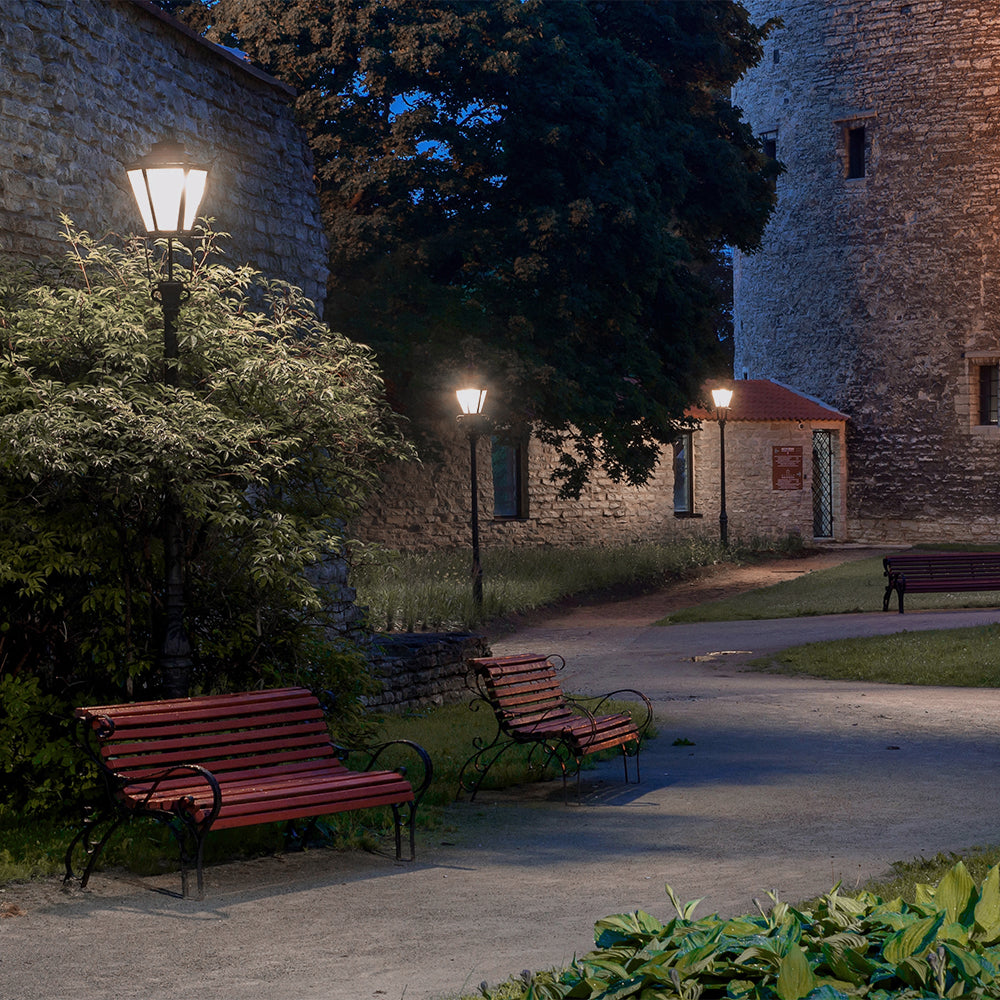
Reliability sits at the heart of this advantage. A hardwired system draws steady power from your home's electrical supply, which means it performs identically whether it's a clear July evening or a freezing January night buried under cloud cover. This consistency matters enormously when you depend on your lighting for both ambiance and safety. You simply set it and trust it.
The quality of light itself is noticeably superior. Hardwired fixtures can drive higher-output LEDs at their optimal wattage, producing crisp, vibrant illumination that renders colors accurately and reaches farther into your landscape. Solar fixtures, constrained by the energy their small panels can harvest, often produce a weak, bluish glow that fades as the night progresses. With hardwired systems, the light at midnight looks exactly as it did at dusk.
Beyond performance, there's the visual cohesion a professionally installed system brings. Fixtures are mounted permanently, wires are buried out of sight, and the entire design feels intentional rather than improvised. This integrated appearance directly enhances property value—real estate professionals consistently note that thoughtful exterior lighting ranks among the most impactful curb appeal upgrades a homeowner can make. Add centralized control through timers, dimmers, or smart home integration, and you gain effortless command over your entire outdoor environment from a single app or switch.
Elevating Your Garden's Aesthetics with Purposeful Lighting
For the passionate garden enthusiast, lighting isn't merely functional—it's an artistic medium that reveals your landscape's character after sundown. The garden you've spent years cultivating deserves to be experienced around the clock, and thoughtful garden lighting transforms familiar daytime scenery into something entirely new and captivating once darkness falls.
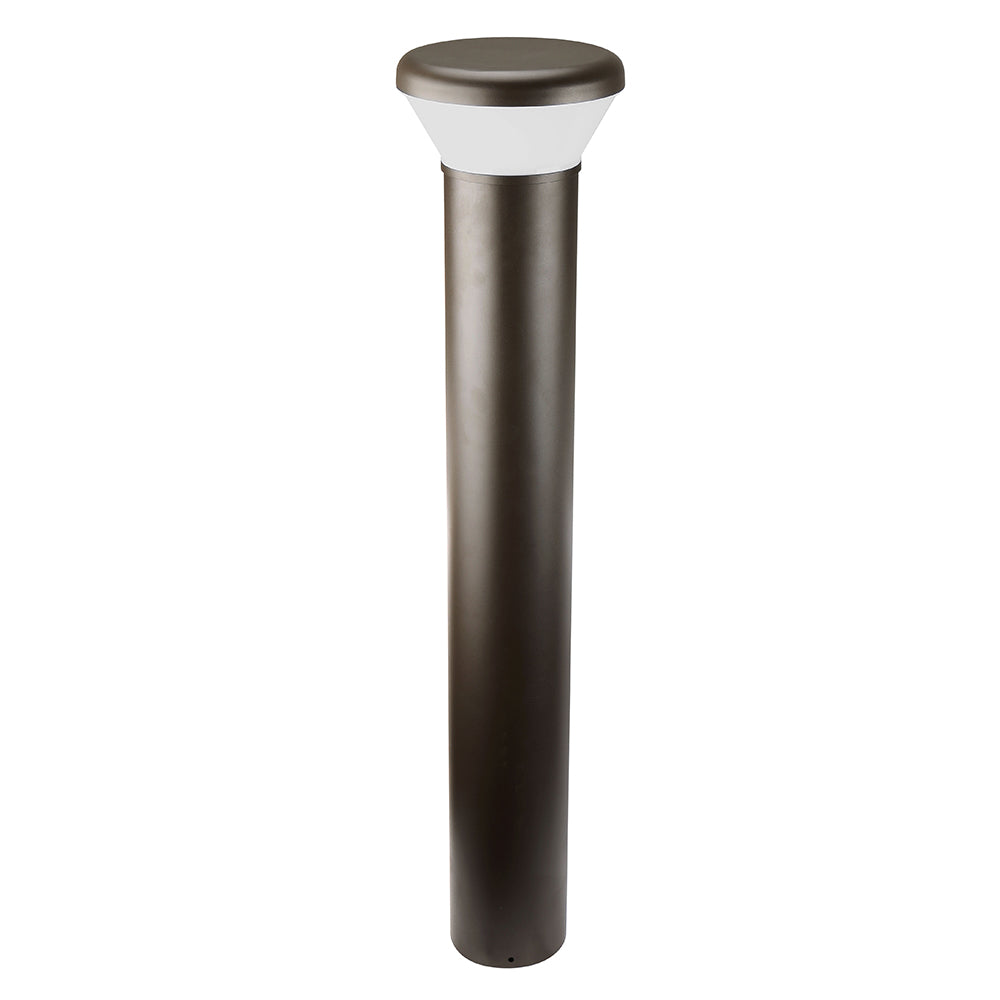
The most effective designs begin with technique. Uplighting—positioning fixtures at ground level to cast beams upward—dramatically reveals the textured bark of a mature tree or the architectural lines of a stone column. Path lighting serves a dual purpose, guiding footsteps safely while creating rhythmic pools of warm light that draw the eye deeper into the landscape. Moonlighting, achieved by mounting fixtures high in tree canopies to cast soft, dappled light downward, mimics natural moonlight and creates gentle shadows that shift with the breeze. Accent lighting isolates specific focal points—a sculpture, a flowering specimen, or a water feature—commanding attention exactly where you intend it.
The real magic emerges when you layer these techniques together. A single approach produces flat, one-dimensional results. But combining uplighting on your tallest trees with low path lights along a walkway and a focused accent on a garden bench creates genuine depth and drama—foreground, midground, and background all distinctly illuminated. This layering mimics how we perceive space in daylight, making the nighttime garden feel expansive rather than shrouded.
Fixture selection supports these goals. Flush-mounted well lights disappear into the ground for clean uplighting without visible hardware. Bollard-style path lights provide gentle downward illumination at knee height. Adjustable spotlights offer precision control for accenting from a distance. Manufacturers like Hyperlite offer a range of fixture types designed for specific aesthetic purposes, and choosing the right combination ensures your garden lighting design feels cohesive, intentional, and deeply personal to the space you've created.
Enhanced Security and Peace of Mind
A beautifully lit landscape is also a safer landscape, and this is where hardwired systems distinguish themselves most decisively from alternatives. Security depends on certainty—you need to know, without question, that your outdoor security lights will activate the moment they're needed. Solar-powered security fixtures carry an inherent vulnerability: their performance degrades precisely when you need them most, during extended overcast periods or short winter days when darkness arrives early and lingers long. A hardwired system eliminates this uncertainty entirely, delivering full-power illumination on demand, every single night.
Strategic placement amplifies the deterrent effect. Criminals prefer darkness and predictability—they scout properties looking for blind spots and unreliable lighting patterns. Positioning hardwired fixtures to wash light across entry points like doors, garage entrances, and ground-floor windows removes the concealment intruders depend on. Dark corners along side yards, areas behind sheds, and sections of fence line that border alleys or public paths all benefit from dedicated illumination. Driveways deserve particular attention, as they serve as both the primary approach to your home and a common target for vehicle-related theft.
The integration of motion sensors with hardwired outdoor security lights creates a particularly powerful combination. Motion-activated fixtures startle potential intruders with sudden illumination while simultaneously alerting you to unexpected activity. This differs meaningfully from always-on ambient security lighting, which maintains a baseline of visibility across your property throughout the night. The most effective security designs employ both approaches together—constant low-level illumination along perimeters and pathways paired with brighter motion-triggered floods at vulnerable access points. This layered strategy ensures continuous passive deterrence while reserving high-intensity response for genuine intrusion events, giving you reliable protection and genuine peace of mind whether you're home or away.
Long-Term Efficiency & Practical Considerations
The upfront investment in a hardwired landscape lighting system understandably gives some homeowners pause. Professional installation, quality fixtures, transformers, and buried cabling all carry higher initial costs than picking up a box of solar stake lights at a garden center. But evaluating lighting purely on purchase price ignores the full financial picture—and when you examine total cost of ownership over five, ten, or fifteen years, hardwired LED systems emerge as the decisively better value.
Modern hardwired LED fixtures routinely deliver 50,000 hours or more of operational life, meaning a system used six hours nightly could run for over twenty years before requiring lamp replacement. Compare that to solar units whose integrated batteries typically degrade within two to three years, requiring complete fixture replacement since most aren't designed for battery swaps. Over a decade, you might cycle through three or four generations of solar lights while your hardwired system continues performing flawlessly—making the "expensive" option considerably cheaper per year of service.
Energy consumption tells a similarly compelling story. Today's hardwired LED landscape fixtures draw remarkably little power—a typical path light consumes just two to four watts, and an entire twelve-fixture system might use less electricity than a single traditional incandescent bulb. If you're upgrading from an older halogen hardwired system, switching to LED equivalents can reduce your landscape lighting energy use by seventy to eighty percent while producing equal or superior light output. The electricity cost of running a well-designed LED system often amounts to just a few dollars monthly.
Planning matters enormously for maximizing these efficiencies. Whether you hire a professional installer or possess the electrical skills for a confident DIY approach, investing time in a comprehensive lighting plan before any ground is broken prevents costly mistakes, ensures proper transformer sizing, and guarantees that your system delivers exactly the performance and beauty you envision from day one.
Your Guide to Installation: Key Steps and Smart Solutions
Understanding the installation process—whether you plan to hire a professional or tackle it yourself—helps you make smarter decisions and communicate effectively with contractors. A hardwired landscape lighting project follows a logical progression, and each step builds on the one before it.
Start by creating a detailed lighting plan. Walk your property at night with a strong flashlight, experimenting with angles and positions to identify where light will have the greatest impact. Sketch your yard on paper or use a simple design app, marking fixture locations, cable routes, and the transformer position. Note distances between fixtures and back to the transformer—this information determines wire gauge requirements and helps prevent voltage drop issues that dim distant fixtures.
Next, gather your tools and materials. You'll need direct-burial landscape cable (typically 12 or 14 gauge, depending on your system's total wattage and run lengths), a properly sized low-voltage transformer, your chosen fixtures, waterproof wire connectors, conduit for any above-ground wire transitions, a trenching shovel or cable-laying tool, and wire strippers. Having everything on hand before you begin prevents frustrating mid-project delays.
Safety comes before any physical work begins. Turn off power at the breaker that will supply your transformer. If you're trenching, call your local utility locate service—often a free 811 call in the United States—to mark buried gas, water, electric, and communication lines. This single step can prevent dangerous and expensive accidents.
With utilities marked and power confirmed off, run your cable along the planned routes, burying it six to eight inches deep to protect it from shovels and aerators. Install the transformer near a GFCI-protected outdoor outlet, mounting it at least twelve inches above grade to keep connections dry. Connect the main cable run to the transformer's terminal lugs, following the manufacturer's wiring diagram.
Now connect and secure each fixture. At every fixture location, make your cable splice using waterproof gel-filled connectors that seal out moisture permanently. Position each fixture according to your plan, stake or mount it firmly, and aim the beam where intended. Take your time here—precise aiming makes the difference between professional results and amateur ones.
Finally, restore power and test the entire system after dark. Walk the property checking each fixture for proper brightness, beam direction, and any hot spots or dark gaps. Adjust aim angles, reposition fixtures slightly if needed, and verify that your timer or smart controller activates and deactivates at the correct times. This final tuning session is where your lighting plan comes alive, and small tweaks at this stage yield dramatic improvements in the overall effect.
Expert Solutions to Common Landscape Lighting Challenges
Even the best-planned lighting systems encounter real-world obstacles. Here are practical solutions to the challenges garden enthusiasts most frequently face, drawn from professional experience and field-tested results.
A dark, unsafe garden path demands more than simply lining it with fixtures every few feet. The effective solution is to stagger lights on alternating sides of the walkway, spacing them roughly eight to ten feet apart depending on fixture output. This creates overlapping pools of illumination without the runway-strip appearance of evenly spaced rows. Choose fixtures with shielded tops that direct light downward, reducing glare for anyone walking the path while still providing sufficient coverage to reveal uneven surfaces, steps, or grade changes.
Highlighting a beautiful tree or water feature requires understanding scale. For a large specimen tree, position two or three uplights at different angles around the base, each aimed at a different section of the canopy. This eliminates the flat, Halloween-spotlight effect of a single fixture and instead reveals the tree's full three-dimensional form. For water features, submersible fixtures or carefully aimed spotlights that graze the water's surface create movement and sparkle without blinding reflections aimed back at viewing areas.
A shadowy side yard—often a narrow, neglected corridor between house and fence—responds well to wall-wash fixtures mounted under the eaves, casting broad light downward across the ground plane. This approach eliminates hiding spots without requiring ground-level fixtures that crowd an already tight space, and it doubles as effective security coverage for windows along that wall.
Voltage drop over long cable runs causes distant fixtures to appear noticeably dimmer than those near the transformer. Solve this by using heavier gauge wire for longer runs, splitting your layout into multiple shorter home runs back to the transformer rather than daisy-chaining everything on a single cable, or employing a hub-and-spoke wiring configuration that equalizes wire distance across all fixtures.
Integrating lighting with existing garden features or irrigation requires coordination during planning. Map your irrigation lines before trenching cable routes to avoid accidental cuts. Where paths cross, run lighting cable beneath irrigation pipes using a short section of protective conduit. Position fixtures far enough from sprinkler heads to avoid constant water spray on lenses, which causes mineral buildup and reduces light output over time. With these practical solutions in hand, even complex landscapes yield professional results.
Invest in Lasting Beauty, Security, and Performance
The case for hardwired outdoor landscape lighting rests on four pillars that no alternative can match simultaneously. Reliability ensures your system performs identically on the darkest winter night as it does on a clear summer evening—no fading, no failures, no guesswork. Aesthetic control gives you the tools to sculpt light with precision, layering techniques that reveal your garden's full beauty long after sunset. Robust security eliminates the vulnerabilities inherent in solar-dependent systems, providing certain protection at every entry point and dark corner of your property. And long-term value, driven by LED longevity and minimal energy consumption, means the initial investment pays for itself many times over across decades of faithful service.
For serious garden enthusiasts who refuse to compromise on the spaces they've worked so hard to create, hardwired lighting isn't an expense—it's an investment in how you experience your home every evening. It elevates your property's worth, safeguards your family, and extends the hours you can enjoy the landscape you love. The garden you've cultivated in daylight deserves to shine after dark. A hardwired system ensures it always will, transforming your outdoor living space into a place of beauty, comfort, and confidence for years to come.