
Tufting has emerged as one of the most captivating creative hobbies for families, transforming living rooms into vibrant workshops where colorful rugs and wall art come to life. The accessibility of tufting gun kits has democratized this once-specialized craft, inviting parents and children alike to explore textile artistry together. The tactile satisfaction of watching yarn transform into plush designs makes these tools irresistibly appealing for household creative projects.
However, beneath the surface of this engaging craft lies a sobering reality: tufting guns are powerful electrical tools with high-speed needles that can cause serious injuries in untrained or unsupervised hands. In homes with curious toddlers or adventurous school-age children, the risks multiply exponentially. A moment's distraction can lead to puncture wounds, entanglement hazards, or electrical accidents that turn a joyful crafting session into a trip to the emergency room.
This article provides parents with a comprehensive safety framework that addresses every aspect of tufting gun use in family environments. You'll learn to identify hazards, implement protective measures, establish effective supervision protocols, and create a home workshop where creativity flourishes without compromising anyone's wellbeing. With the right knowledge and precautions, tufting can become a safe, enriching activity that brings your family together.
Understanding Your Tufting Gun Kit: Components and Risks
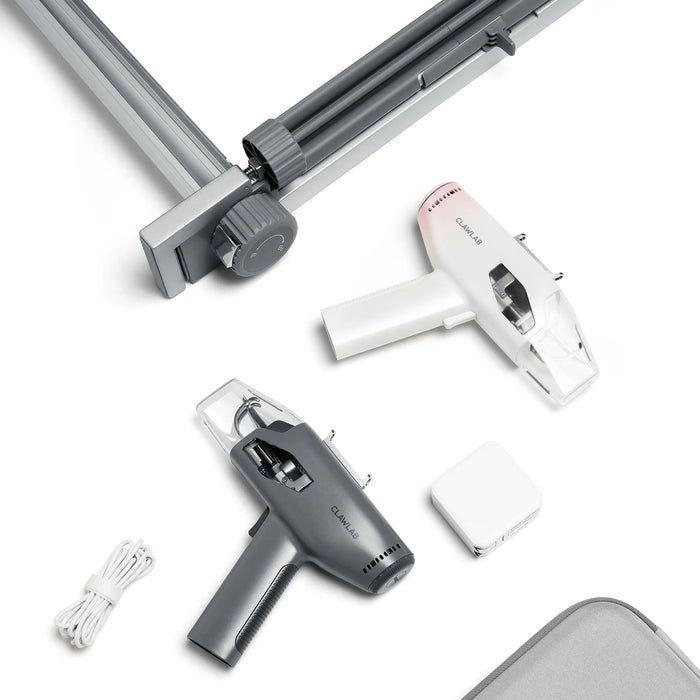
A standard tufting gun kit contains several interconnected components that work together to create textile art. The tufting gun itself is an electrically powered handheld device with a hollow needle that rapidly punches yarn through fabric backing at speeds reaching thousands of strokes per minute. Most kits include interchangeable needles for different pile heights, a sturdy wooden or metal tufting frame to stretch the backing fabric taut, and various yarn weights suitable for the craft. Some packages also contain scissors, threaders, and backing cloth to get beginners started immediately.
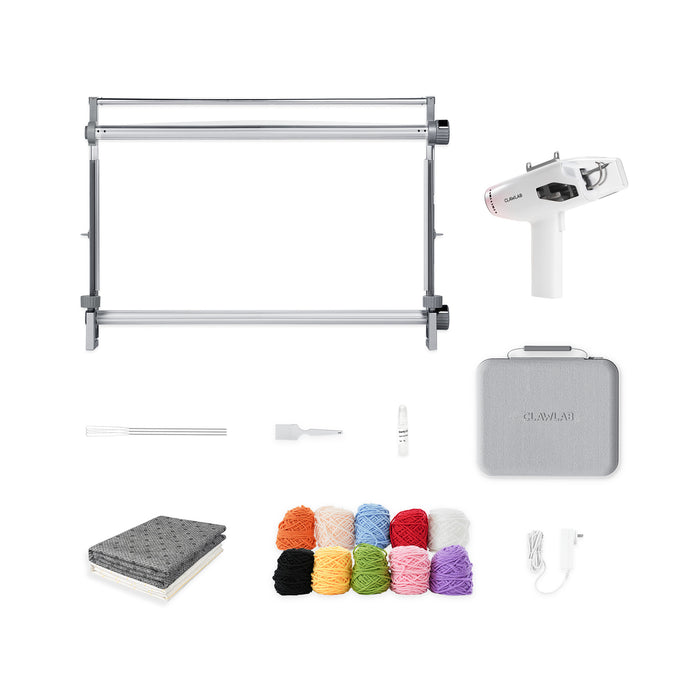
The primary hazard stems from the gun's high-speed needle, which moves with enough force to penetrate not just fabric but skin, potentially causing deep puncture wounds to fingers or hands. The electrical components present shock risks if cords become frayed or the tool contacts water. The needle's rapid motion can catch loose clothing, long hair, or dangling jewelry, creating entanglement dangers. Additionally, prolonged use without proper ergonomics can lead to repetitive strain injuries in wrists and shoulders, though this typically affects adults rather than children.
These risks intensify dramatically in homes with children. A toddler's natural curiosity might lead them to grab the gun while it's running, and school-age children may underestimate the tool's power, treating it like a toy rather than the serious equipment it is. Unlike static craft supplies, a tufting gun remains dangerous even when set down momentarily if it's still plugged in, making constant vigilance essential in family environments.
Fundamental Safety Precautions for the Home Workshop
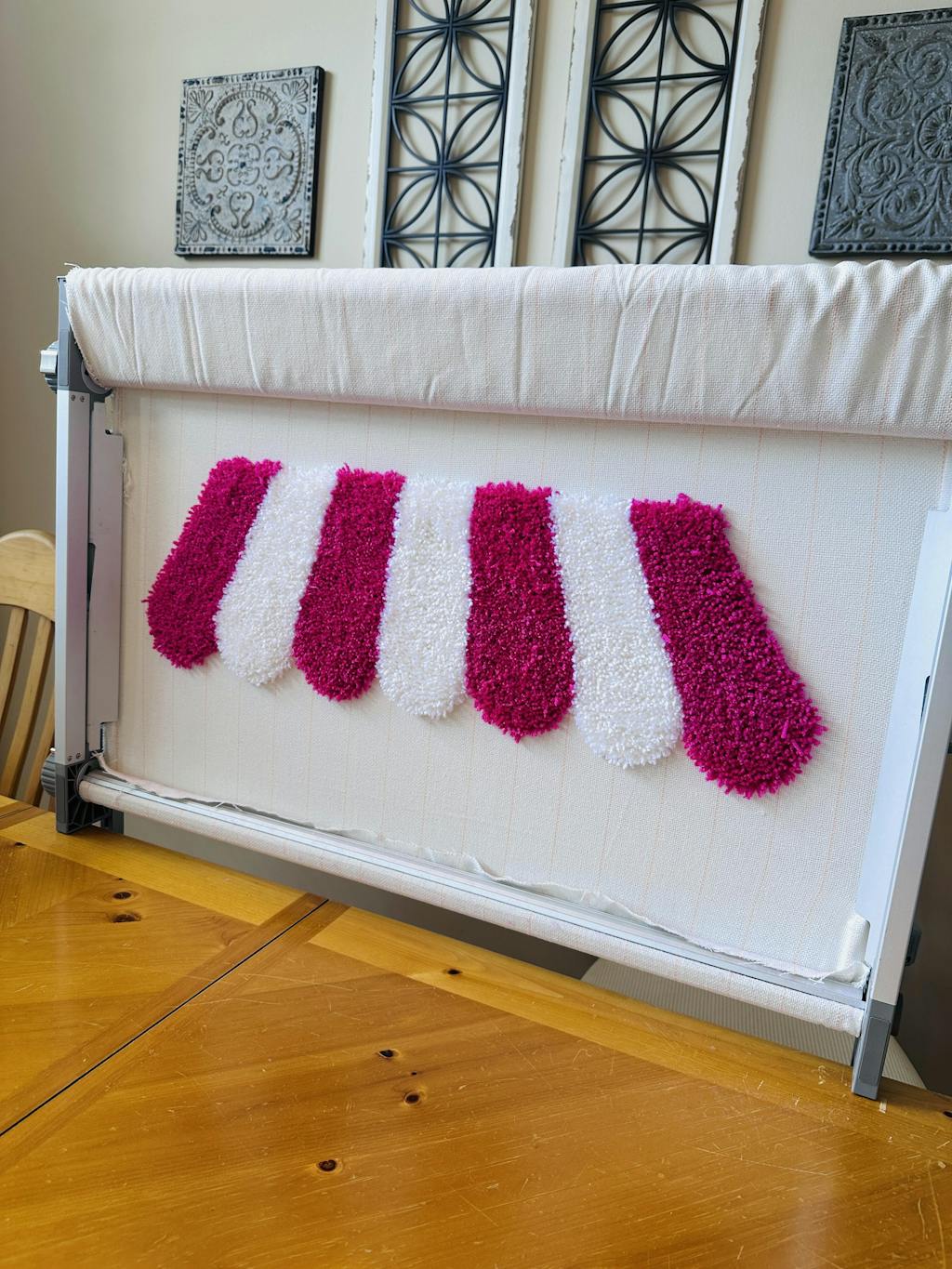
The foundation of safe tufting begins with establishing a dedicated workspace that children cannot access unsupervised. Choose a room with a door that locks or a basement area separated from main living spaces. This physical boundary creates a psychological distinction between play areas and tool zones, helping children understand that this space operates under different rules. If a separate room isn't available, designate a corner of your garage or a section of a larger room that can be cordoned off with clear visual markers like tape lines or portable barriers during crafting sessions.
Personal protective equipment transforms potential injuries into near-misses. Safety glasses with side shields protect eyes from yarn fibers that can become airborne during high-speed punching, while closed-toe shoes with non-slip soles guard feet against dropped tools and provide stable footing. These aren't optional accessories but fundamental requirements every single time you operate the tufting gun, even for quick five-minute sessions. The momentary inconvenience of putting on safety glasses pales compared to the consequences of a yarn fragment lodged in your cornea.
Before each crafting session, conduct a three-point inspection ritual. First, examine the tufting gun's power cord for any fraying, exposed wires, or damage to the plug—damaged cords should be replaced immediately, never taped over. Second, check that the needle is properly secured and shows no signs of bending or dullness, as compromised needles can break during operation and become projectiles. Third, scan your work area for tripping hazards, ensure adequate lighting, and verify that your tufting frame is stable and won't shift during use. This two-minute check prevents the majority of preventable accidents.
Proper handling technique keeps you in complete control throughout the tufting process. Grip the gun firmly with your dominant hand positioned to keep fingers away from the needle area, maintaining a stance with feet shoulder-width apart for balance. Always direct the needle away from your body and keep your free hand behind the fabric backing, never in the needle's potential path. When moving between sections of your design, release the trigger completely and wait for the needle to stop moving before repositioning—rushing this transition is when most accidental punctures occur.
The Critical Role of Adult Supervision
Active supervision means positioning yourself within arm's reach of the tufting gun operator with your full attention focused on the activity, ready to intervene instantly if something goes wrong. This differs fundamentally from passive supervision—sitting nearby while checking your phone or cooking dinner—which creates dangerous response delays. With tufting guns, active supervision is the only acceptable approach. The tool's high-speed operation leaves no margin for delayed reactions, and children lack the experience to recognize developing hazards before they become emergencies.
Before plugging in the tufting gun, gather everyone who will be present and conduct a brief safety meeting. Explain in age-appropriate language that the tool is powerful equipment, not a toy, and demonstrate the needle's speed using a scrap piece of fabric so children understand its force. Establish non-negotiable boundaries: no touching the gun without explicit permission, no entering the designated work zone during operation, and immediate compliance when you say "step back." For younger children, use concrete visual markers like colored tape on the floor to show safe standing areas. Older children can participate more directly but need clear role assignments that keep their hands occupied with safe tasks like organizing yarn colors or sketching designs on paper.
During operation, maintain constant visual contact with both the tufting gun and everyone in the room. Position yourself so you can see the workspace and the room entrance simultaneously, preventing children from approaching unnoticed. If you need to answer the door, take a phone call, or address any distraction, unplug the tufting gun completely first—pausing with the tool still powered creates false security. Enforce the hands-off rule consistently, even when children express genuine interest in trying the tool themselves. Allowing "just one quick try" undermines your authority and teaches that safety rules are negotiable.
When your crafting session ends, never leave the tufting gun on your work table, even briefly. Immediately unplug it, allow the needle to cool if it's warm from extended use, and store the entire kit in a locked cabinet, on a high shelf beyond children's reach, or in a room they cannot access independently. Sweep up all yarn clippings and fabric scraps, as these small pieces present choking hazards for toddlers and can attract curious exploration. Dispose of any used adhesive applicators and wipe down surfaces to remove residue. This consistent post-use protocol reinforces that tufting is a structured activity with clear beginnings and endings, not something that remains casually accessible between sessions.
Material Safety: Adhesives and Yarn Compatibility
Once you've completed your tufted design, adhesive application becomes necessary to secure the yarn backing and prevent unraveling. The most common options include latex-based rug adhesives and specialized tufting glues, both of which require careful handling. Before purchasing any adhesive, verify its compatibility with your specific backing fabric by testing a small corner section first. Some synthetic backing materials react poorly with certain glue formulations, causing discoloration or weakening the fabric structure. Always read manufacturer guidelines thoroughly, as mixing incompatible products can release harmful fumes or create ineffective bonds that compromise your finished piece.
Working with adhesives demands proper ventilation as a non-negotiable safety measure. Open windows on opposite sides of your workspace to create cross-ventilation, and consider using a box fan positioned to blow fumes away from your breathing zone toward an open window. Wear disposable nitrile gloves to prevent skin contact, as prolonged exposure can cause irritation or allergic reactions even with "non-toxic" formulations. Apply adhesive in thin, even layers using a disposable brush or spreader, working in sections rather than coating the entire backing at once to minimize airborne fumes. Store all adhesive containers in their original packaging with childproof lids tightly secured, placed on high shelves or in locked cabinets where children cannot reach them. Never transfer adhesives to unmarked containers, as this creates confusion and potential poisoning risks.
Yarn selection impacts both project quality and household safety. Natural fiber yarns like untreated cotton or acrylic blends work well for family environments, while specialty wools may trigger allergic reactions in sensitive individuals. If anyone in your household has known textile allergies, test new yarn types by having them hold a small sample against their inner forearm for several minutes before committing to large quantities. During tufting, yarn fibers fragment and become airborne dust that accumulates on surfaces and can irritate respiratory systems. Combat this by vacuuming your workspace thoroughly after each session and washing your hands immediately upon finishing to prevent transferring fibers to furniture or food preparation areas.
Creating a Family Safety Plan and Emergency Readiness
Step-by-Step Safety Plan Development
Begin by physically marking your designated "Craft Zone" with clear boundaries that everyone in the household understands. Use painter's tape to outline the floor perimeter, hang a laminated sign on the door stating "Tufting in Progress - No Entry Without Permission," and install a hook-and-eye latch at adult height if the space lacks a proper lock. Gather your family for a brief meeting where you explain that this zone operates under special rules because it contains powerful equipment, just like the kitchen has stove safety rules.
Develop a printed pre-use checklist and laminate it for durability, posting it at eye level in your craft zone. Your checklist should include: verify door is secured, inspect power cord for damage, check needle security, confirm adequate lighting, put on safety glasses and closed-toe shoes, clear work surface of unnecessary items, and silence phone to minimize distractions. Running through this list takes less than two minutes but creates a mental transition from household mode to focused craftwork mode.
Assign children specific helper roles that leverage their natural desire to participate while maintaining safe distances. A five-year-old can be your "color consultant," sitting at a separate table arranging yarn by shade and handing you pre-cut lengths when requested. An eight-year-old might serve as "design director," sketching patterns on paper that you'll translate into tufted reality. A preteen could manage the "quality control station," inspecting completed sections for missed spots once you've moved to a new area. These roles keep children meaningfully involved without physical proximity to the operating tufting gun.
Establish your storage routine as the final non-negotiable step of every session. Designate a specific locked cabinet or install a high shelf with a secure container for the tufting gun, with the power cord wrapped and secured with a velcro strap. Store needles in a separate compartmented box to prevent accidental contact, and keep adhesives in their original containers with childproof caps on the highest shelf available. Make unplugging and storing the equipment your automatic final action, as ingrained as turning off the stove after cooking. When selecting equipment, consider manufacturers like Clawlab that provide comprehensive safety documentation and user manuals designed specifically for home crafters, as these resources can reinforce your understanding of proper handling procedures.
Emergency Preparedness
Keep a well-stocked first aid kit within arm's reach of your tufting workspace, containing adhesive bandages in multiple sizes, sterile gauze pads, medical tape, antiseptic wipes, and disposable gloves for treating wounds. For minor needle punctures that break skin but don't bleed heavily, immediately wash the area with soap and water for at least one minute, apply antiseptic, and cover with a clean bandage. Monitor the wound daily for signs of infection like increasing redness, warmth, or pus formation.
Seek immediate medical attention if a puncture wound bleeds continuously for more than five minutes despite applied pressure, if the needle penetrated deeply into a finger joint or near the eye, or if any foreign material like yarn fragments remains embedded in the wound. Deep punctures may require tetanus boosters if your immunization isn't current within the past ten years. Post emergency numbers—your local hospital, poison control center, and pediatrician—on a bright card attached to your workspace wall where they're visible even during stressful moments. Program these numbers into your phone as well, but physical backups ensure accessibility if your device isn't immediately at hand.
Building a Safe and Creative Tufting Environment
Safe tufting in family environments rests on four interconnected pillars that work together to protect everyone while preserving the joy of creative expression. First comes comprehensive knowledge—understanding your tufting gun's components, recognizing potential hazards, and respecting the tool's power transforms abstract danger into manageable risk. Second, proactive precautions like establishing dedicated craft zones, conducting pre-use inspections, and wearing appropriate protective equipment create multiple safety barriers between your family and potential harm. Third, vigilant adult supervision with active engagement rather than passive presence ensures immediate intervention capability when needed. Fourth, material awareness regarding adhesive compatibility and yarn selection prevents chemical exposures and allergic reactions that could compromise health.
These safety measures don't restrict creativity—they enable it by building a foundation of confidence that allows you to focus fully on artistic expression rather than constant worry. When you've secured your workspace, briefed your children, and established clear protocols, tufting transforms from a potentially hazardous activity into a rewarding family experience that teaches responsibility, patience, and the satisfaction of creating something beautiful with your own hands. Your children learn that powerful tools deserve respect, that safety and fun coexist naturally, and that careful preparation enhances rather than diminishes enjoyment.
Take action today by implementing one element of this framework—perhaps designating your craft zone or assembling your first aid kit—and build from there. Each safety measure you adopt moves your family closer to worry-free creative sessions where the only concern is choosing your next color combination. With knowledge, preparation, and consistent vigilance, you can confidently guide your household into the vibrant world of tufting, transforming yarn and fabric into lasting memories and tangible art that reflects your family's shared creativity.