
Picture this: a golden afternoon at your favorite campsite, friends gathered around the picnic table, laughter filling the air. You reach for your drink only to find it lukewarm, the ice long since melted into a watery disappointment. It's a frustration every outdoor enthusiast knows too well—traditional ice cubes surrender to the heat within minutes, leaving you with diluted beverages that taste nothing like they should. Enter pellet ice, the soft, chewable, rapidly cooling hero that transforms any outdoor drink into something special. Unlike conventional ice, these small nuggets chill beverages faster while maintaining flavor integrity, and they're satisfying to crunch on a sweltering day. This guide is designed for campers, RV owners, and anyone who refuses to compromise on drink quality under the open sky. We'll explore why pellet ice outperforms other ice types for outdoor use, walk you through selecting the ideal portable pellet ice maker for your adventures, and share practical tips for setup, maintenance, and even drink recipes that showcase this remarkable ice at its best.
Why Pellet Ice is the Ultimate Ice for Outdoor Enthusiasts
Pellet ice, often called nugget ice, is formed by compressing ice flakes into small, irregularly shaped pieces that are dense yet porous. Unlike solid cubes produced by standard freezer trays or portable cube makers, pellet ice has a layered structure with tiny air pockets throughout. This gives it a satisfying chewable texture that fans describe as addictive—the same ice you'll find at popular fast-food chains and high-end cocktail bars.
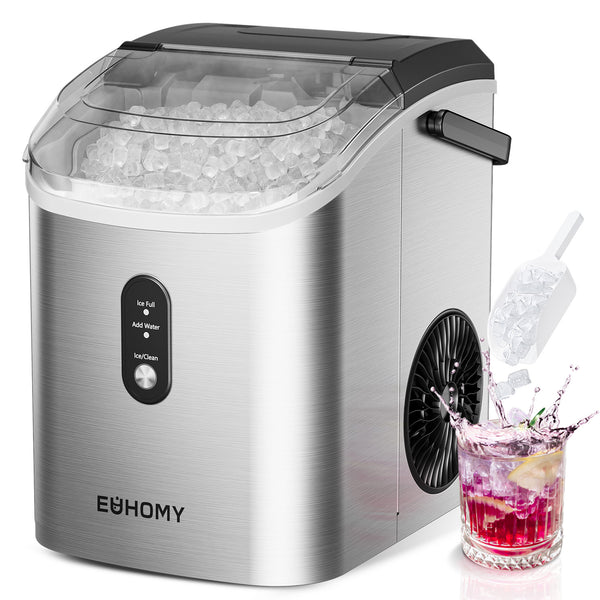
What makes pellet ice exceptional for outdoor use comes down to three characteristics working together. First, the small nugget size means dramatically increased surface area contact with your beverage. This translates to rapid cooling—your drink reaches ideal temperature in seconds rather than minutes. Second, because the ice is slightly porous and less dense than solid cubes, it absorbs some of the drink's flavor rather than simply sitting in the glass releasing meltwater. The result is noticeably less dilution over time, keeping your carefully mixed cocktail or fresh-squeezed lemonade tasting exactly as intended. Third, the soft chewable quality turns the ice itself into part of the refreshment experience on a scorching afternoon.
Traditional cube ice works against you outdoors. Large cubes have less surface area relative to their volume, so they cool slowly at first, then melt rapidly once compromised by heat, flooding your drink with tasteless water. Smaller crushed ice melts even faster. Pellet ice strikes the perfect balance—cooling quickly upon contact while maintaining its structure longer than crushed alternatives. For campers dealing with temperatures that punish conventional ice, this difference between a refreshing drink and a watered-down mess is everything.
Choosing Your Perfect Portable Pellet Ice Maker
Selecting the right portable pellet ice maker requires matching the machine's capabilities to your specific outdoor lifestyle. Whether you're a weekend camper, a full-time RV traveler, or someone who hosts backyard gatherings far from the kitchen, the decision comes down to a handful of practical factors that determine whether your investment delivers or disappoints.
Key Features for Campers and RV Owners
Portability tops the priority list, and that means evaluating more than just weight. Look for compact dimensions that fit your available transport space, ergonomic handles or carry points for moving the unit between vehicles and tables, and overall weight that one person can manage comfortably. Power flexibility matters enormously in outdoor settings—machines offering both standard AC outlets and DC compatibility give you options whether you're plugged into an RV's electrical system, running a portable power station, or connected to a campground pedestal. Ice production rate determines whether you're keeping up with a group's demand or constantly waiting; most portable units produce between 26 and 34 pounds daily, and for groups larger than four, aim toward the higher end. Brands like Euhomy offer countertop pellet ice makers designed with portability in mind, featuring compact footprints and self-cleaning functions that simplify outdoor use. Water reservoir capacity directly affects how often you'll need to refill, which becomes inconvenient when your water source isn't steps away. Finally, build quality cannot be overlooked—outdoor use means vibration during transport, occasional bumps, and exposure to dust, so stainless steel components and solid construction pay dividends over multiple seasons of adventure.
Compact Ice Maker Considerations for Limited Space
RV countertops and camp tables offer precious little real estate, making footprint dimensions a critical consideration. Measure your available surface before purchasing, remembering to account for ventilation clearance the machine needs on its sides and back. When the unit isn't producing ice, storage becomes the next challenge—models with flat tops and squared-off profiles stack and store more efficiently in RV cabinets or gear bins. Perhaps most overlooked is stability on imperfect surfaces. Campsites rarely offer perfectly level ground, and a top-heavy machine on a folding table invites disaster. Seek out models with a low center of gravity, wide rubber feet that grip uneven surfaces, and a base that's broader than the top. Some experienced campers carry a small leveling board specifically for their ice maker, ensuring reliable operation even on a slight slope.
Step-by-Step Guide to Using Your Pellet Ice Maker Outdoors
Setup and Operation in Your Campsite or RV
Getting your pellet ice maker running smoothly at a campsite or in your RV takes just a few deliberate steps, and doing them correctly from the start prevents headaches later. Begin by identifying a stable, level surface—this is non-negotiable for proper operation. The compressor and water circulation system inside your machine rely on level positioning to function efficiently. A sturdy picnic table, a dedicated RV countertop, or even a flat rock ledge will work, but test stability by pressing down on each corner before committing. If your surface has a slight tilt, slide a folded towel or thin cutting board under the low side until a bubble level reads true.
Next, connect your power source. At a campground with electrical pedestals, a standard outlet handles the job directly. In an RV, plug into one of your interior outlets while ensuring your overall electrical load won't trip a breaker—pellet ice makers draw meaningful power during their compressor cycles. If you're boondocking, a portable power station with sufficient wattage capacity keeps production running for hours, though you'll want to calculate your station's total watt-hour rating against the machine's draw to estimate runtime realistically.
Fill the reservoir with clean, potable water. This sounds obvious, but water quality directly affects both ice taste and machine longevity. If you're drawing from a campground spigot with questionable taste, run it through a portable filter first. Fill to the indicated maximum line without overfilling. Now power the unit on and let the first cycle run completely—this initial batch takes slightly longer as the system reaches optimal temperature. Discard this first small batch, as it often carries residual manufacturing odors or dust from transport. Subsequent cycles produce fresh, clean pellet ice ready for your drinks. Once you have more ice than you need immediately, transfer excess to a well-insulated cooler or thermos to build your reserve, keeping the machine cycling steadily rather than waiting until everyone's glass is empty.
Top Drink Recipes Enhanced by Fresh Pellet Ice
Fresh pellet ice doesn't just cool your drinks—it becomes part of the experience, and certain recipes showcase its qualities brilliantly in an outdoor setting. A campsite classic lemonade reaches new heights when you pack a glass full of nugget ice before pouring freshly squeezed lemon juice mixed with simple syrup and cold water over the top. The ice chills instantly while absorbing just enough lemon flavor to make each crunchy bite a treat on its own.
For iced tea lovers, brew a strong batch of your favorite black or herbal tea at home, let it cool, then transport it in a sealed container. At camp, fill your cup generously with pellet ice and pour the concentrate over it—the rapid cooling locks in flavor without the weak, watery result you'd get with melting cubes. A crowd-pleasing sparkling mocktail works beautifully outdoors too: muddle fresh mint and berries in the bottom of a mason jar, add pellet ice to the brim, then top with sparkling water and a splash of cranberry juice. The nuggets keep the fizz cold while the porous texture traps bits of fruit and herb for bursts of flavor as you sip.
Beyond individual drinks, pellet ice serves a practical purpose in your cooler. Packing cans and bottles directly in a bed of nugget ice cools them faster than cube ice because the small pieces conform around each container, maximizing contact. Within fifteen minutes, a warm can pulled from your vehicle becomes perfectly chilled and ready to enjoy—no planning ahead required.
Maintenance and Care for Long-Lasting Performance
Keeping your portable pellet ice maker in top condition requires minimal effort but pays off enormously in reliability and ice quality over time. After each outing, run a cleaning cycle by emptying the reservoir, filling it with a mixture of warm water and a tablespoon of white vinegar or the manufacturer's recommended cleaner, then running the machine for one full cycle. Discard that ice and run one more cycle with plain water to rinse any residual taste. This simple routine prevents mineral buildup and keeps your ice tasting fresh.
Descaling deserves special attention for outdoor users because campground water sources vary wildly in mineral content. Hard water accelerates scale deposits on internal components, gradually reducing production efficiency and potentially damaging the compressor. Perform a thorough descaling treatment every two to three weeks during heavy use seasons, or immediately if you notice ice production slowing or pieces becoming smaller than usual. After your trip ends, dry the machine completely—leave the reservoir open and tip the unit slightly to drain any trapped water from internal lines. Store it in a dry location with the lid or cover ajar to prevent mildew. If you encounter unusual noise during operation, check that the unit is level and that nothing is vibrating against the housing. Slow production often traces back to ambient temperature; machines work harder in extreme heat, so positioning yours in shade dramatically improves output.
Elevate Every Outdoor Drink with Pellet Ice
The difference between enduring lukewarm drinks and savoring perfectly chilled beverages outdoors comes down to one simple upgrade. Pellet ice delivers rapid cooling without sacrificing flavor, its chewable texture adds genuine enjoyment to every sip, and its unique structure outperforms traditional ice in every outdoor scenario you'll encounter. A portable pellet ice maker matched to your specific needs—whether that's weekend camping trips, extended RV journeys, or backyard gatherings under the summer sun—eliminates the frustration of melted cooler ice and soggy drinks once and for all. With straightforward setup, minimal maintenance requirements, and the ability to produce fresh ice on demand wherever your adventures take you, it's an investment that elevates every outdoor moment shared with friends and family. Stop settling for watered-down compromises. Your next campfire cocktail, trail-side lemonade, or lakeside iced tea deserves better—and now you have everything you need to make it happen.