
It's 3 PM on a Friday, and Mark, a seasoned repair technician, stares at a malfunctioning power supply board. He's traced the issue to a blown rectifier diode, a common culprit in surge-damaged electronics. The problem isn't diagnosing the fault—it's what comes next. Mark needs a replacement diode immediately, but his usual supplier is out of stock. He spends the next two hours calling distributors, browsing unreliable websites, and worrying whether the substitute part he finally orders will actually work. When it arrives days later and fails within hours of installation, he's back to square one, facing an angry customer and wasted time. This scenario repeats itself across repair shops daily, highlighting a critical challenge: efficiently finding quality diodes for sale that won't compromise repair outcomes. For technicians like Mark, the difference between a successful repair and a costly failure often hinges on sourcing decisions. This article provides a practical roadmap for repair professionals to locate reliable diodes quickly, focusing on actionable strategies and trusted sources that address the real-world pressures of the repair industry.
The Critical Role of Diodes in Electronic Repairs and Common Sourcing Challenges
Diodes are semiconductor devices that allow current to flow in one direction while blocking it in the opposite direction, making them essential components in rectification, voltage regulation, and signal processing circuits. In electronic repairs, diodes appear everywhere from power supplies and battery charging circuits to signal protection and LED driver systems. Their function as one-way valves for electrical current makes them vulnerable to specific failure modes that technicians encounter regularly.
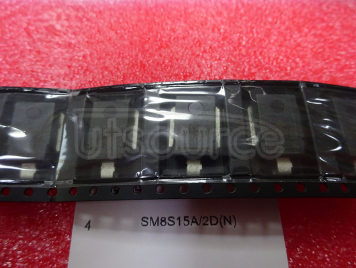
Diode failures rank among the most common issues in repair work, primarily due to power surges that exceed their voltage ratings, thermal stress from inadequate heat dissipation, and natural aging that degrades semiconductor junctions over time. When a diode fails, it typically either shorts completely or opens the circuit, causing immediate device malfunction. The consequences of using substandard replacement diodes extend beyond initial repair costs—inferior components may have inconsistent forward voltage drops, inadequate reverse breakdown ratings, or poor thermal characteristics that lead to premature failure and customer callbacks.
Repair technicians face multiple sourcing obstacles that directly impact their workflow efficiency. Identifying correct specifications requires careful cross-referencing of part numbers and datasheets, a time-consuming process when dealing with obscure or obsolete components. Finding reliable suppliers who stock the needed diodes without long lead times becomes critical when customers expect quick turnarounds. The challenge intensifies when dealing with counterfeit components flooding the market, making it difficult to distinguish genuine parts from imitations that compromise repair quality and professional reputation.
Key Criteria for Selecting Reliable Suppliers of Diodes and Electronic Components
Selecting the right supplier requires evaluating several critical factors that directly impact repair quality and business efficiency. Supplier reputation serves as the foundation—established distributors with years of market presence typically maintain consistent quality standards and accountability. Repair technicians should investigate whether suppliers hold recognized quality certifications like ISO 9001 or are authorized distributors for major semiconductor manufacturers, as these credentials indicate adherence to industry standards and authentic product sourcing.
Product authenticity verification becomes paramount in an industry plagued by counterfeit components. Reliable suppliers provide clear documentation of their supply chain, offer manufacturer traceability, and stand behind their products with warranties or return policies. Customer reviews and testimonials from other repair professionals offer valuable insights into real-world experiences with delivery times, component quality, and problem resolution. Technical support availability distinguishes exceptional suppliers from mediocre ones—access to knowledgeable staff who can assist with component selection, cross-referencing obsolete parts, and providing detailed datasheets saves technicians countless hours of research.
Efficient Methods to Buy Electronic Components: Online and Offline Strategies
The choice between online platforms and local distributors fundamentally shapes sourcing efficiency for repair technicians. Online suppliers offer unmatched convenience through 24/7 accessibility, allowing technicians to search inventory during off-hours or between repair jobs without leaving the workbench. These platforms typically maintain broader inventories than physical stores, particularly for specialized or less common diode types that local shops may not stock. Search functionality enables precise filtering by voltage ratings, current capacity, package types, and manufacturer specifications, dramatically reducing the time spent cross-referencing datasheets. Local distributors, however, provide immediate pickup options for emergency repairs and face-to-face consultation with knowledgeable staff who understand regional supply patterns.
Maximizing search efficiency requires strategic approaches that eliminate guesswork. Technicians should extract complete part numbers from failed components whenever possible, as this provides the most direct path to exact replacements. When part markings are illegible or components are completely destroyed, searching by circuit function and specifications—such as "1N4007 equivalent 1A 1000V rectifier diode"—yields appropriate alternatives. Advanced filtering tools on specialized platforms allow simultaneous selection of multiple parameters, narrowing thousands of listings to a handful of suitable options within seconds. Bookmarking frequently needed components creates instant access for repeat repairs, while setting up notifications for restocked items prevents delays on back-ordered items.
Step-by-Step Process to Source Diodes Efficiently
The sourcing process begins with accurate identification of the required diode by examining the failed component's markings, consulting the device schematic if available, or measuring circuit characteristics to determine necessary specifications. Navigate to your chosen supplier's platform and enter the specific part number or descriptive keywords like "Schottky diode 3A 40V" into the search bar, using filters to refine results by manufacturer, package type, or availability status. Platforms like Utsource provide comprehensive search functionality that allows technicians to quickly locate components across extensive inventories of automation accessories and electronic parts. Evaluate the resulting listings by reviewing technical specifications against your requirements, checking customer ratings for reliability feedback, and comparing delivery timeframes to your repair deadline. Place your order by selecting appropriate quantities—consider ordering extras for inventory—and choose shipping options that balance cost against urgency, with expedited services available for critical repairs. Upon receipt, perform basic verification using a multimeter to confirm forward voltage drop and reverse blocking characteristics match expected values before installation, protecting against the rare possibility of shipping errors or component defects that could compromise your repair work.
Practical Tips for Repair Technicians to Ensure Quality and Efficiency in Sourcing
Establishing a curated list of trusted suppliers forms the foundation of efficient sourcing practices. Repair technicians should maintain a documented roster of three to five verified distributors that have consistently delivered authentic components with reliable shipping times. This approach eliminates the need to vet new suppliers during time-sensitive repairs and provides backup options when primary sources experience stock shortages. Recording supplier performance metrics—such as average delivery time, defect rates, and customer service responsiveness—enables data-driven decisions about where to allocate purchasing budgets.
Strategic inventory management through bulk purchasing of frequently replaced diodes significantly reduces sourcing delays. Technicians should analyze repair records to identify the top ten most commonly failed diode types in their workflow—typically including standard rectifiers like 1N4007, fast-recovery diodes, and common Schottky variants—and maintain working stock of these components. Purchasing in quantities of 25 to 100 units often unlocks volume discounts while ensuring availability for immediate repairs. This approach transforms recurring sourcing tasks into periodic restocking activities that can be scheduled during slower business periods rather than interrupting active repair workflows.
Component verification upon receipt protects against the rare instances of shipping errors or defective parts. A simple testing protocol takes less than thirty seconds per diode: use a multimeter in diode test mode to confirm forward voltage drop falls within expected ranges (typically 0.3V for Schottky, 0.7V for silicon rectifiers) and verify reverse blocking by checking for no continuity when probe polarity is reversed. This practice caught a mislabeled batch for James, a repair shop owner in Portland, who discovered supposed 3A diodes actually rated for 1A before they caused field failures. Participating in online repair communities and forums provides access to collective knowledge about supplier reliability, component cross-references for obsolete parts, and early warnings about counterfeit batches circulating in the market, creating a collaborative defense against sourcing pitfalls that individual technicians might encounter.
Building a Sustainable Sourcing Strategy for Repair Success
Sourcing reliable diodes efficiently represents a fundamental skill that separates successful repair technicians from those constantly battling component failures and customer dissatisfaction. The strategies outlined in this article—understanding diode failure patterns, evaluating suppliers based on concrete criteria like authenticity verification and technical support, and leveraging specialized platforms for streamlined purchasing—directly address the time pressures and quality concerns that define modern repair work. By establishing relationships with trusted suppliers, maintaining strategic inventory of common components, and implementing verification protocols, technicians transform sourcing from a reactive scramble into a controlled process that supports consistent repair outcomes. The difference between Mark's initial frustration with unreliable parts and a smooth repair workflow lies in adopting these systematic approaches to finding quality spare parts with quick access. Repair professionals who implement these sourcing strategies will spend less time hunting for components and more time delivering the reliable repairs that build customer trust and business success. Start today by evaluating your current suppliers against the criteria discussed, exploring available inventory options for your most frequently needed diodes, and documenting your sourcing processes to continuously improve efficiency in your repair operations.