
Modern iPhones are marvels of engineering, but their sleek glass-and-aluminum designs make them surprisingly vulnerable to everyday drops, scratches, and impacts. A single fall can mean a cracked screen or a costly repair bill, which is why protective cases have become essential accessories rather than optional extras. Among the latest innovations, iPhone cases with magnetic stands have surged in popularity, combining reliable device protection with hands-free convenience that fits seamlessly into a busy lifestyle.
The problem most buyers face isn't finding a case — it's choosing the right one. Walk into any electronics store or browse online, and you're immediately confronted with hundreds of options varying in material, design, price, and functionality. For tech-savvy individuals who upgrade their devices regularly and demand both durability and cutting-edge features, this decision carries real weight. Picking the wrong case means compromising either protection or usability.
This guide cuts through the noise by offering a clear, practical framework for selecting the best iPhone case with a magnetic stand. From evaluating build quality and magnetic compatibility to matching case types with your personal lifestyle, every key factor is covered so you can make a confident, informed purchase.
Understanding Your Core Needs: Durability and Innovation
Tech-savvy iPhone users face a unique challenge: they upgrade devices frequently, which means their cases need to justify the investment beyond a single product cycle. More importantly, frequent upgraders understand that a damaged phone isn't just an inconvenience — it's a disruption to work, communication, and daily productivity. This reality makes robust protection non-negotiable, not a luxury.

But pure protection is only half the equation. Modern users expect their accessories to work as hard as they do. A case that simply wraps your phone without adding functionality feels like a missed opportunity. This is exactly where magnetic stand cases deliver genuine value. The built-in stand transforms your iPhone into a hands-free viewing device in seconds, whether you're following a recipe in the kitchen, joining a video call at your desk, or watching content during a commute. That kind of effortless versatility matters when your time is limited and your hands are occupied.
Evaluating a case through both lenses — durability and smart functionality — gives you a clearer framework for cutting through the overwhelming number of available options. Rather than being swayed by aesthetics alone or defaulting to the cheapest option, you can ask specific questions: Does this case protect against real-world drops? Does the magnetic mechanism hold firmly at useful viewing angles? Does it support wireless charging without removal? Starting with these core priorities ensures that every other feature you consider builds on a foundation that actually serves your daily needs.
Essential Features to Evaluate in iPhone Cases with Magnetic Stands
Material and Build Quality for Maximum Protection
The material your case is made from directly determines how well it absorbs shock during real-world drops. Polycarbonate offers rigid structural protection and resists cracking under impact, making it a solid choice for users who work in demanding environments. TPU (thermoplastic polyurethane) provides flexible shock absorption, particularly around corners where most drop damage occurs. Many premium cases combine both — a hard polycarbonate shell backed by a TPU inner layer — delivering the best of both worlds. Leather cases offer a refined aesthetic and develop character over time, but generally sacrifice some impact resistance compared to synthetic alternatives. For frequent upgraders, prioritizing a dual-layer construction ensures the case earns its cost through genuine protective performance. It's also worth pairing a quality case with a reliable screen protector — brands like MagicJohn offer options specifically designed to complement MagSafe-compatible cases without interfering with touch sensitivity or magnetic alignment.
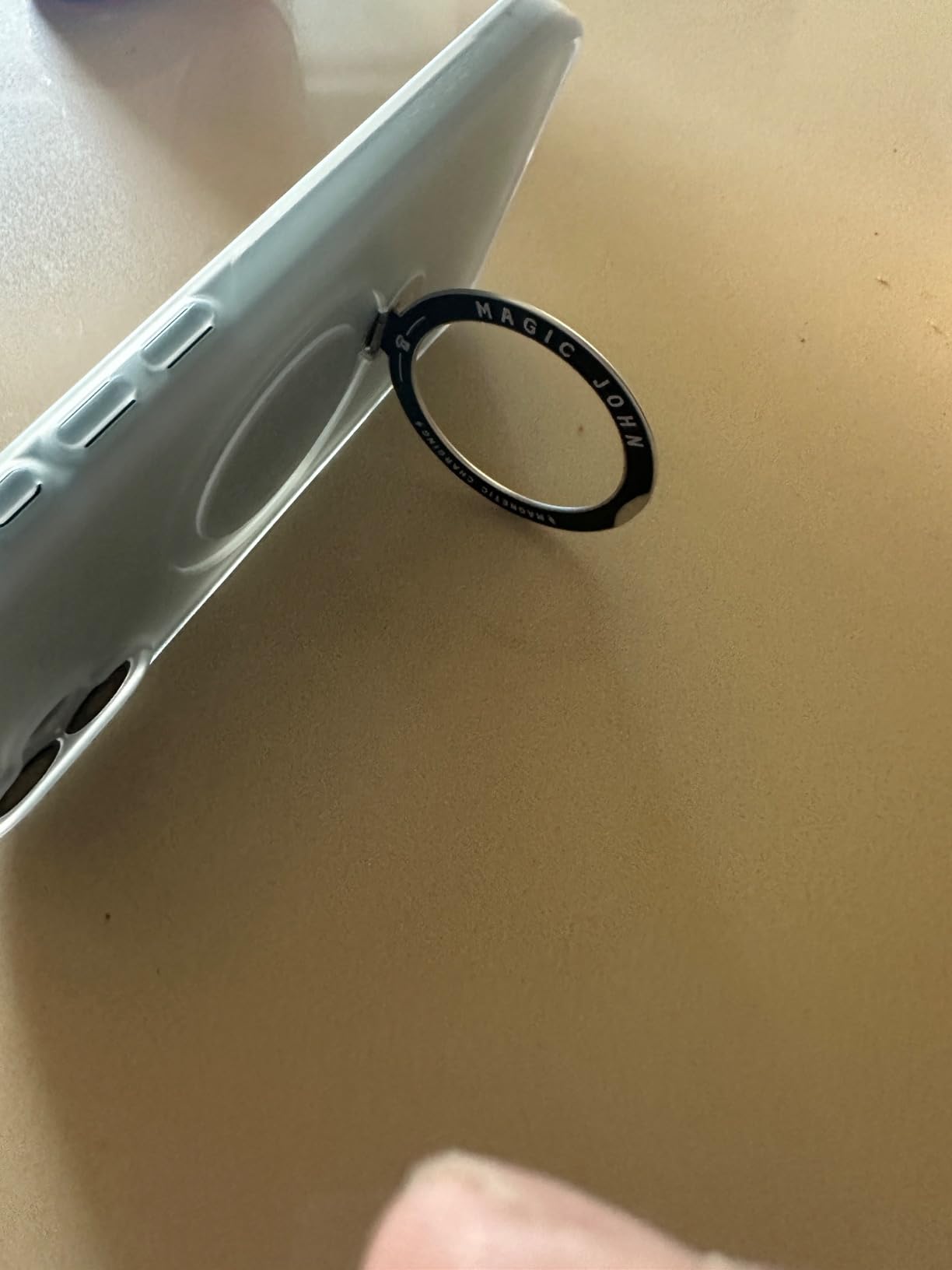
Magnetic Stand Mechanism and Compatibility
Not all magnetic stands are created equal. Built-in kickstands fold directly into the case body, offering a clean profile without added bulk, while attachable magnetic accessories clip or snap onto the case separately. The key compatibility question for iPhone users is MagSafe alignment — cases engineered with properly positioned magnet arrays ensure seamless connection with MagSafe chargers and accessories without requiring case removal. A strong magnetic hold matters too; the stand should support your phone at landscape and portrait angles without slipping mid-use. Test or verify that the magnetic strength is rated for secure mounting, especially if you plan to use the case with car mounts or desk rings.
Additional Functionalities and Design
Beyond protection and the magnetic stand, practical details shape everyday usability. Textured side grips reduce the chance of accidental drops, while precise port cutouts ensure you never struggle with cable access. Wireless charging support is non-negotiable for MagSafe users — confirm the case doesn't interfere with charging efficiency. Raised camera bezels protect lenses when the phone rests face-down. On the design side, cases come in matte, glossy, frosted, and transparent finishes, so matching your personal style doesn't require compromising on function.
Comparing Different Types of Phone Cases with Magnetic Stands
Choosing the right case type is just as important as evaluating individual features. Different form factors serve different lifestyles, and understanding the trade-offs helps you avoid buyer's remorse.
Rugged cases are built for users who work outdoors, travel frequently, or simply live an active life. These cases typically feature multi-layer construction, reinforced corner guards, and military-grade drop ratings. The magnetic stand in rugged designs tends to be deeply integrated into a thicker frame, which means excellent stability but a noticeably bulkier profile. If protecting your investment is the top priority and you don't mind the added weight, this category delivers unmatched peace of mind.
Slim cases appeal to professionals and minimalists who want protection without sacrificing the iPhone's original feel. These cases maintain a low profile while still incorporating a magnetic ring or fold-out kickstand. The trade-off is reduced drop protection compared to rugged alternatives — they handle everyday bumps well but may not survive serious falls. For users who keep their phones in pockets or bags rather than on job sites, slim cases strike a practical balance.
Wallet cases add card storage to the magnetic stand equation, combining everyday carry essentials into a single accessory. They're ideal for users who prefer leaving their traditional wallet at home. However, the added thickness and the need to manage both cards and a stand mechanism can complicate the design, so build quality varies significantly across this category.
While magnetic stand cases exist for Android devices as well, iPhone-specific designs benefit from MagSafe ecosystem integration, ensuring tighter compatibility with Apple's charging and accessory network — a meaningful advantage that Android equivalents can't fully replicate.
Step-by-Step Guide to Choosing the Right iPhone Case
Selecting the right case becomes straightforward when you approach it systematically. Rather than browsing aimlessly and hoping something stands out, work through these steps to arrive at a decision you won't second-guess.
Step 1: Assess your daily usage patterns. Think honestly about where your phone spends most of its time. Do you work outdoors, in a warehouse, or on construction sites? A rugged case is your baseline. Desk-based professionals who occasionally travel need something slimmer with reliable stand functionality. Frequent travelers benefit from wallet cases that consolidate carry essentials. Your environment and habits should dictate the protection level before anything else.
Step 2: Confirm MagSafe compatibility requirements. If you use MagSafe chargers, car mounts, or other magnetic accessories, verify that any case you consider explicitly supports MagSafe alignment. Cases without properly positioned magnet arrays can disrupt charging efficiency or cause accessories to attach weakly. Look for cases that advertise full MagSafe compatibility, not just general magnetic functionality.
Step 3: Define your stand use case. Consider how you'll actually use the magnetic stand. Portrait orientation suits video calls and reading; landscape works better for media and navigation. Some stands offer multi-angle adjustment while others lock into fixed positions. Match the stand's range of motion to your most common hands-free scenarios.
Step 4: Set a realistic budget based on device value. Your iPhone represents a significant investment. Allocating a proportionate budget for its case — rather than defaulting to the cheapest option — makes financial sense. A quality case that prevents a single screen repair pays for itself immediately.
Step 5: Research through verified reviews and drop-test results. Manufacturer claims are starting points, not conclusions. Seek out independent drop-test videos, user reviews that mention real-world damage scenarios, and comparisons that evaluate magnetic hold strength under actual use conditions. This research step separates genuinely protective cases from those that only look the part.
Step 6: Verify return and warranty policies. Even well-researched purchases can disappoint in practice. Choosing retailers or brands with clear return windows gives you a safety net if the case doesn't perform as expected in your specific situation.
Top Recommendations and Final Solutions
Matching the right case type to your actual lifestyle is the final step in turning research into a confident purchase. For heavy-duty users — construction workers, outdoor adventurers, or frequent travelers navigating airports and job sites — a rugged magnetic stand case with military-grade drop protection is the clear answer. The added bulk is a worthwhile trade-off when your phone faces genuine physical risk daily, and the integrated stand still delivers hands-free convenience without compromising structural integrity.
Professionals who spend most of their time in offices, coffee shops, or client meetings are better served by a slim magnetic stand case. The reduced profile keeps the iPhone feeling premium while the built-in kickstand handles video calls, desk viewing, and content consumption with ease. This category hits the sweet spot between protection and elegance for users whose phones face typical urban wear rather than extreme conditions.
For minimalists who want to streamline their everyday carry, a wallet case with magnetic stand functionality consolidates phone, cards, and hands-free viewing into one accessory. Just prioritize build quality carefully in this category, since the added complexity of the design means construction standards vary widely between products.

Across all categories, magnetic stand cases solve the central tension that most iPhone accessories fail to address: delivering genuine drop protection while actively enhancing how you use your device. The magnetic stand isn't a novelty — it's a daily-use feature that pays dividends every time your hands are occupied. Whichever case type fits your lifestyle, choosing one with full MagSafe compatibility ensures your entire Apple accessory ecosystem works together without friction.
Making the Right Choice for Your iPhone and Lifestyle
Choosing the best iPhone case with a magnetic stand comes down to three intersecting factors: the level of protection your daily environment demands, the magnetic stand functionality that matches how you actually use your phone, and the personal preferences that make an accessory feel like a natural extension of your lifestyle rather than an afterthought.
Throughout this guide, the core message has remained consistent — a quality case isn't an expense, it's an investment. A cracked screen or damaged frame costs far more to repair than even a premium case costs to buy. When that case also includes a magnetic stand that handles video calls, hands-free viewing, and MagSafe accessory compatibility, the value compounds further with every single day of use.
The framework here gives you everything you need to move from confusion to clarity. Assess your usage patterns honestly, confirm MagSafe compatibility if it applies to your setup, understand which case type suits your lifestyle, and back your decision with real-world reviews rather than marketing claims alone. These steps apply whether you're replacing a case today or planning ahead for your next device upgrade.
Now it's time to put this guide to work. Revisit the features that matter most to you, match them against the case categories covered here, and make a purchase you can feel confident about — one that keeps your iPhone protected and working harder for you every day.