
You're lying on your back under the kitchen sink, flashlight clenched between your teeth, trying to spot the source of a slow leak somewhere behind a tangle of pipes you can barely reach. Or maybe you're staring into the dark void of your car's engine bay, convinced something is wrong but unable to see past the intake manifold. These moments of blind frustration are exactly where a borescope inspection camera transforms the entire experience. Instead of paying a mechanic or plumber hundreds of dollars just to diagnose a problem, you can visually inspect hidden areas yourself in minutes. The challenge, however, is finding the best borescope inspection camera that delivers genuine quality without draining your wallet. This guide is built for DIY enthusiasts who want a reliable, cost-effective solution. We'll break down what matters most in these tools, take a close look at the Teslong TD500 Articulating Camera with its 720p resolution, explore affordable pricing strategies, and give you practical steps to start inspecting like a pro from day one.
The Essential Role of Borescope Cameras for DIY Enthusiasts
Every DIY project eventually hits the same wall: you know something is wrong, but you can't see it. Whether you're tracing a mysterious rattle inside a car door panel, checking for corrosion inside metal pipes, or investigating why your dryer vent isn't flowing properly, the traditional approach means tearing things apart just to look. That disassembly costs time, risks breaking clips and fasteners, and often leads to expensive secondary damage. A borescope camera eliminates that gamble entirely. You feed a slim, flexible probe into the space, view a live image on screen, and make your diagnosis without removing a single bolt. For automotive work, this means inspecting cylinder walls, checking behind dashboards, or examining exhaust passages. Around the house, it handles wall cavity checks before drilling, gutter blockage identification, and sewer line previews. The tool pays for itself the first time it prevents an unnecessary teardown or catches a problem early enough to fix cheaply, making it one of the most cost-effective investments a hands-on homeowner or weekend mechanic can make.
Key Features to Look for in the Best Borescope Inspection Camera
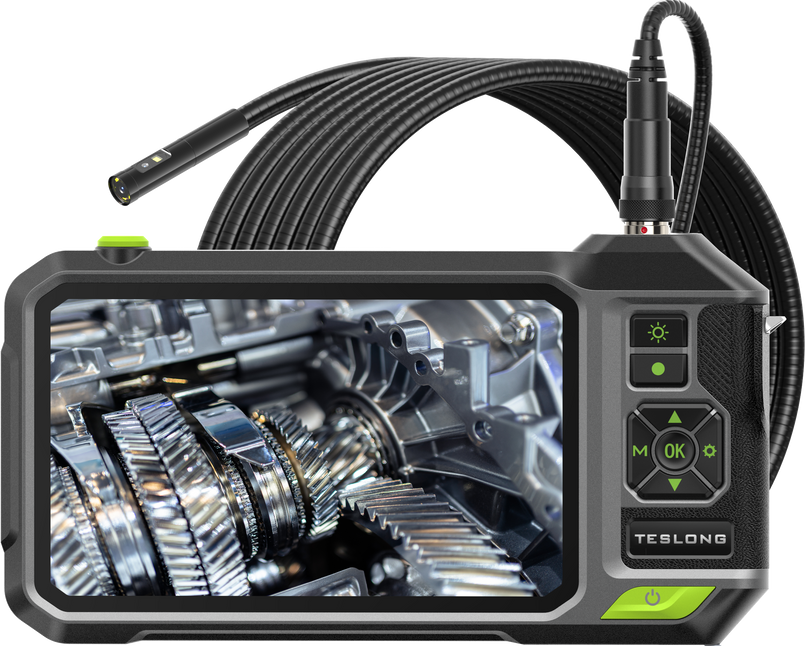
Not all borescope cameras deliver the same experience, and knowing which features actually matter prevents buyer's remorse. Resolution sits at the top of the priority list. A 720p sensor provides enough detail to distinguish between a hairline crack and a surface scratch, between active corrosion and harmless discoloration. Below that threshold, you're essentially guessing at what you see. An articulating tip is the second non-negotiable feature. Fixed-direction probes only show you what's directly ahead, but real-world inspections demand the ability to look sideways, upward, or around bends. Articulation turns a limited peek into a comprehensive survey of the space. Beyond those two essentials, consider probe diameter and cable length. A thinner probe fits into spark plug holes and narrow conduits, while adequate length ensures you can reach deep into wall cavities or engine passages without extensions. Durability matters too—waterproof ratings protect the camera during plumbing work or wet engine bays. Finally, evaluate the display and connectivity. A built-in screen means no phone dependency, faster startup, and one less device to juggle while you're balanced on a ladder or wedged under a vehicle. These features collectively determine whether a borescope becomes your most-used diagnostic tool or collects dust in a drawer.

TD500 Articulating Camera: An In-Depth Review
The Teslong TD500 Articulating Camera stands out as a serious contender for the best borescope inspection camera in the DIY space. Its design addresses the two biggest complaints users have with budget inspection cameras: blurry images and rigid probes that can't navigate real-world geometry. The TD500 combines a capable imaging sensor with a mechanically articulating tip, packaged in a form factor that feels purpose-built for weekend mechanics and homeowners tackling their own repairs. What makes it particularly relevant is how it balances capability against accessibility—this isn't a stripped-down toy camera, nor is it an industrial unit priced for professional contractors. It occupies the sweet spot where serious DIY functionality meets reasonable investment.
720p Resolution: Why High Definition Matters for DIY Inspections
The TD500's 720p resolution delivers imagery sharp enough to make confident diagnostic decisions. When you're inspecting a cylinder wall for scoring, you need to differentiate between a machining mark and actual damage. When examining a pipe joint, you need to spot the green tinge of active corrosion versus a harmless mineral deposit. At 720p, edges remain defined, color reproduction stays accurate, and fine details like thread damage or small cracks become clearly visible rather than lost in a muddy blur. This level of clarity directly translates to saved money—you avoid replacing parts that are actually fine, and you catch developing problems before they escalate into emergency repairs that demand professional intervention.
Articulating Functionality: Enhancing Versatility in Tight Spaces
The articulating tip on the TD500 bends in response to controls at the handset, allowing you to steer your view around obstacles, peer behind structural elements, and survey cavities from multiple angles without repositioning the entire probe. Consider inspecting inside an automotive intake manifold: a fixed camera shows you only what's directly ahead as you feed it through, but an articulating camera lets you sweep the walls of each runner, look back toward the throttle body, or angle down into ports. The same advantage applies when checking behind walls—you can enter through a small access hole and then look left, right, up, or down to map out wiring, insulation condition, or potential moisture damage. This steering capability transforms a single insertion point into a comprehensive inspection, reducing the number of access holes you need to drill and the time spent repositioning.
Affordable Pricing: How to Maximize Value Without Sacrificing Quality
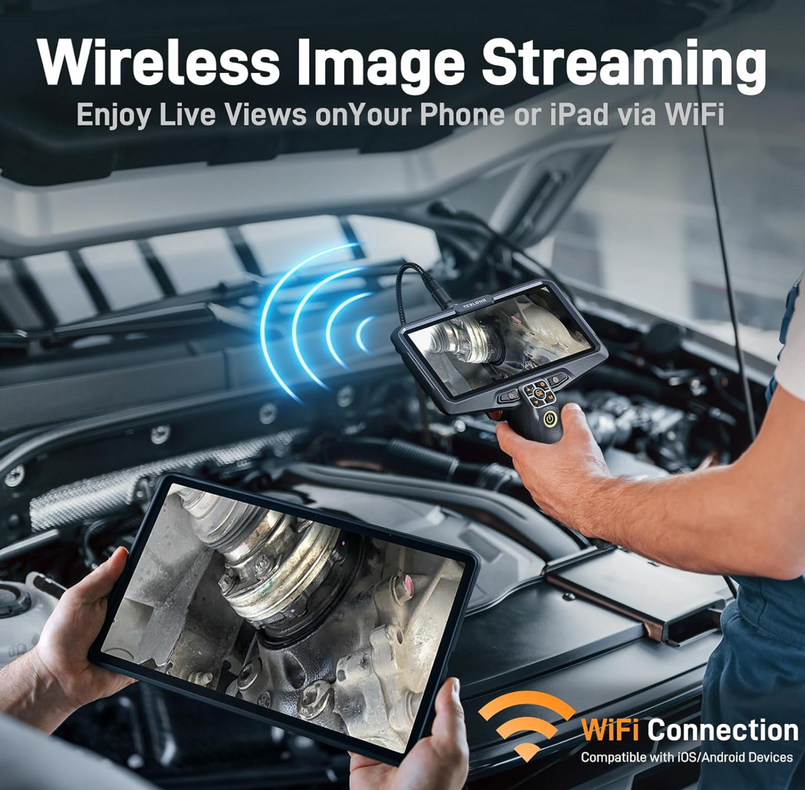
The gap between cheap junk and overpriced professional equipment is where smart DIY purchasing happens. The TD500 Articulating Camera sits in a price range that undercuts industrial-grade units by a significant margin while delivering the core functionality those expensive tools provide. When comparing options, focus on cost per feature rather than sticker price alone—a camera that costs slightly more but includes articulation and 720p resolution eliminates the need to upgrade later, saving you from buying twice. To maximize value, watch for bundle deals that include accessory tips like mirrors and hooks, check manufacturer websites directly for promotional pricing, and avoid the cheapest no-name imports that lack warranty support or replacement parts. One common trap is overspending on wireless connectivity or smartphone app integration when a dedicated built-in screen actually performs better in dirty, hands-busy situations. The most cost-effective approach treats this purchase as a long-term diagnostic investment rather than a disposable gadget—buy the level of quality that lasts years of regular use, and you'll recover the cost many times over through avoided service calls and early problem detection.
Step-by-Step Guide: Using Your Borescope Camera for DIY Success
Owning a borescope camera is one thing—knowing how to use it effectively turns that ownership into real savings. Whether you've just unboxed a TD500 or you're planning your first inspection project, a methodical approach ensures you capture useful footage and make accurate diagnoses from the start. The following steps take you from initial setup through practical application, building confidence quickly so you can tackle inspections independently rather than defaulting to expensive professional services.
Preparation and Basic Setup for First-Time Users
Start by fully charging the unit before your first use, as a dying battery mid-inspection means repositioning the probe all over again. Power on the device and familiarize yourself with the display controls, articulation joystick, and any image capture or video recording buttons while the probe is still in open air. Practice steering the articulating tip on a tabletop, watching the screen as you direct it left, right, and through gentle curves—this builds the hand-eye coordination you'll rely on in dark, confined spaces. Clean the camera lens with the included cloth or a microfiber wipe, since even a fingerprint smudge degrades image clarity noticeably at 720p. If your model includes accessory attachments like a side-view mirror or hook, practice snapping them on and off so you can swap mid-inspection without fumbling. Finally, identify your light settings. Most borescopes have adjustable LED brightness—set it to medium as a default, increasing only in very large cavities where light disperses, and decreasing when inspecting reflective metal surfaces that cause glare washout.
Common DIY Project Applications: Examples and Tips
For automotive engine inspections, remove the spark plug and feed the probe into the cylinder to check for scoring on the walls, carbon buildup on the piston crown, or valve seat condition. Rotate the engine by hand to position the piston at bottom dead center, giving maximum viewing area. Keep the articulating tip centered initially, then sweep the cylinder walls methodically in a clockwise pattern so you don't miss any section. In plumbing work, insert the camera into cleanout access points or remove the P-trap to feed the probe downstream. Look for root intrusion, joint separation, or buildup that narrows the pipe diameter—move slowly, since rushing past a problem area means backing up and re-inspecting. For HVAC ductwork, access the system through register openings, using the articulation to look both upstream and downstream from a single entry point. You're checking for mold growth, disconnected joints, or debris accumulation that restricts airflow. When inspecting wall cavities before renovation, drill a small hole just large enough for the probe diameter, insert the camera, and use articulation to survey all directions before committing to a larger opening. Document everything by recording video rather than relying on memory—playback lets you study details you might miss in real time and provides evidence if you need to show a specialist what you found.
User Reviews: What DIYers Say About Top Borescope Cameras
Real-world feedback from DIY users consistently highlights articulation and image clarity as the features that separate useful tools from regrettable purchases. TD500 owners frequently praise the steering responsiveness, noting that it makes single-access-point inspections genuinely practical rather than theoretical. Several reviewers mention that the 720p resolution proved sufficient to identify hairline cracks in engine cylinders and pinpoint exact locations of pipe joint failures without second-guessing. Common criticisms across budget models tend to focus on short battery life and overly stiff cables that resist navigating tight bends—areas where the TD500's design reportedly performs above its price class. Users also value models with built-in screens over phone-dependent options, citing fewer connectivity headaches in garages and crawl spaces where Wi-Fi interference is common. Reading reviews before purchasing helps you distinguish marketing claims from actual field performance, so prioritize feedback from users describing projects similar to yours.
Start Inspecting Smarter and Keep More Money in Your Pocket
A borescope inspection camera bridges the gap between blind guessing and confident diagnosis, turning hidden problems into visible, solvable challenges without the expense of professional service calls. The features that matter most—720p resolution for clear, actionable imagery and an articulating tip for navigating real-world geometry—separate genuinely useful tools from frustrating novelties. The Teslong TD500 Articulating Camera delivers both of these essentials in a package designed specifically for the DIY enthusiast who needs reliable performance without an industrial price tag. By focusing on cost per feature rather than chasing the cheapest option or overspending on unnecessary extras, you protect your investment and ensure the tool remains useful across years of automotive, plumbing, HVAC, and home renovation projects. Start with the setup fundamentals, practice your technique in open air before diving into confined spaces, and document your inspections with video for later review. Every problem you diagnose yourself is money kept in your pocket and skill added to your repertoire. Choose the camera that matches your most common inspection needs, put it to work on your next project, and let the savings speak for themselves.