
Most disappointing purchases in this hobby have nothing to do with the finished model and everything to do with decisions made before the box was ever opened. Buyers get pulled in by dramatic marketing photos, oversize piece counts, or the wrong price point for their actual skill level, and the frustration only becomes visible three hours into a build when it is too late to switch course. This article is a candid look at the specific mistakes that trip up first-time and second-time buyers of brick-built firearm replicas. Read it before your next purchase and you will save yourself the two most common regrets in the category: a set that stalls out halfway through assembly, and a set that finishes fine but disappoints on the shelf. Both problems are avoidable with a small amount of pre-purchase attention.
Mistake One: Chasing Piece Count Over Engineering
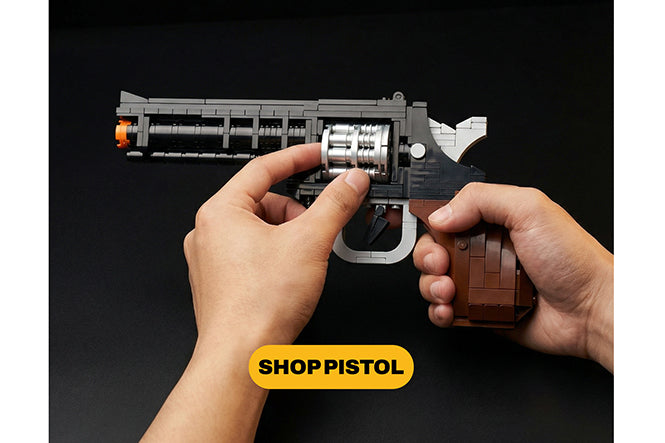
The first and most expensive error is treating piece count as a quality signal. A high-piece brick gun set is not automatically a better set—it is often just a set with more filler pieces. What actually determines the quality of the finished model is engineering: how shaped pieces are used, how internal frames hold receivers and barrels square, how transitions between sub-assemblies are hidden. A well-engineered mid-piece kit will consistently produce a better-looking finished model than a poorly engineered high-piece one, and it will do so in less time with less frustration.
How to Judge Engineering From a Product Page
Look at the close-up photos, not the wide-angle marketing shot. Zoom in on the receiver, the barrel-to-receiver transition, and the grip. If those areas show clean lines and shaped pieces rather than stepped generic bricks, the engineering is honest. If the manufacturer only shows wide-angle photos and refuses to include close-ups, that is a signal in itself.
Mistake Two: Overreaching on Complexity
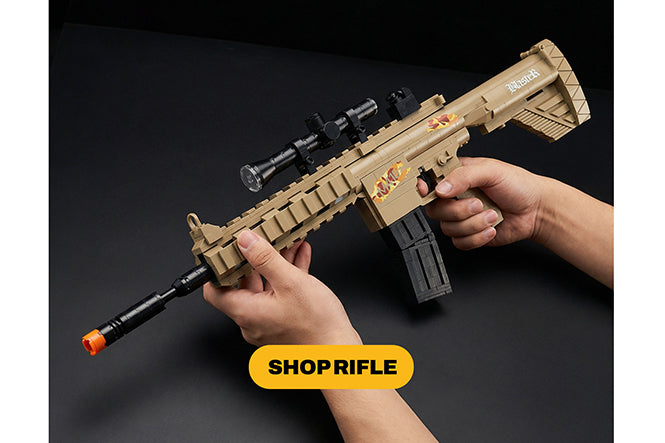
The second common error is buying a set that is one or two complexity tiers above the buyer's actual experience. Advanced kits assume you already know certain sub-techniques—building sub-frames upside down, threading pins through hinge assemblies, seating rail sections without over-flexing them. If you have not built at that level before, the instructions will feel confusing even when they are correct, and the finished quality will suffer because you cannot yet recognize when a step has gone slightly wrong.
The Right Progression
Start with a mid-complexity set and finish it end-to-end before moving up. That first complete build teaches you your own pace, your workspace limits, and the specific techniques you find intuitive versus challenging. Only then does buying an advanced kit make sense. YOUEEFY organizes its lineup with clear complexity tiers precisely so buyers can move up incrementally without discovering, three hundred pieces in, that they lack a technique the instructions assume.
Mistake Three: Ignoring the Subject Match
Some buyers pick sets based on which model looks most impressive on the box, even when the actual platform is not one they particularly want to display. Six weeks later, the finished model sits on a shelf they walk past without a second glance, and the buying enthusiasm never converts into ongoing enjoyment. This is a soft mistake but a common one. Pick a subject you actually want to look at every day—a platform with historical significance to you, a silhouette you find aesthetically pleasing, or a design that fits the room where the finished model will live.
Room and Display Considerations
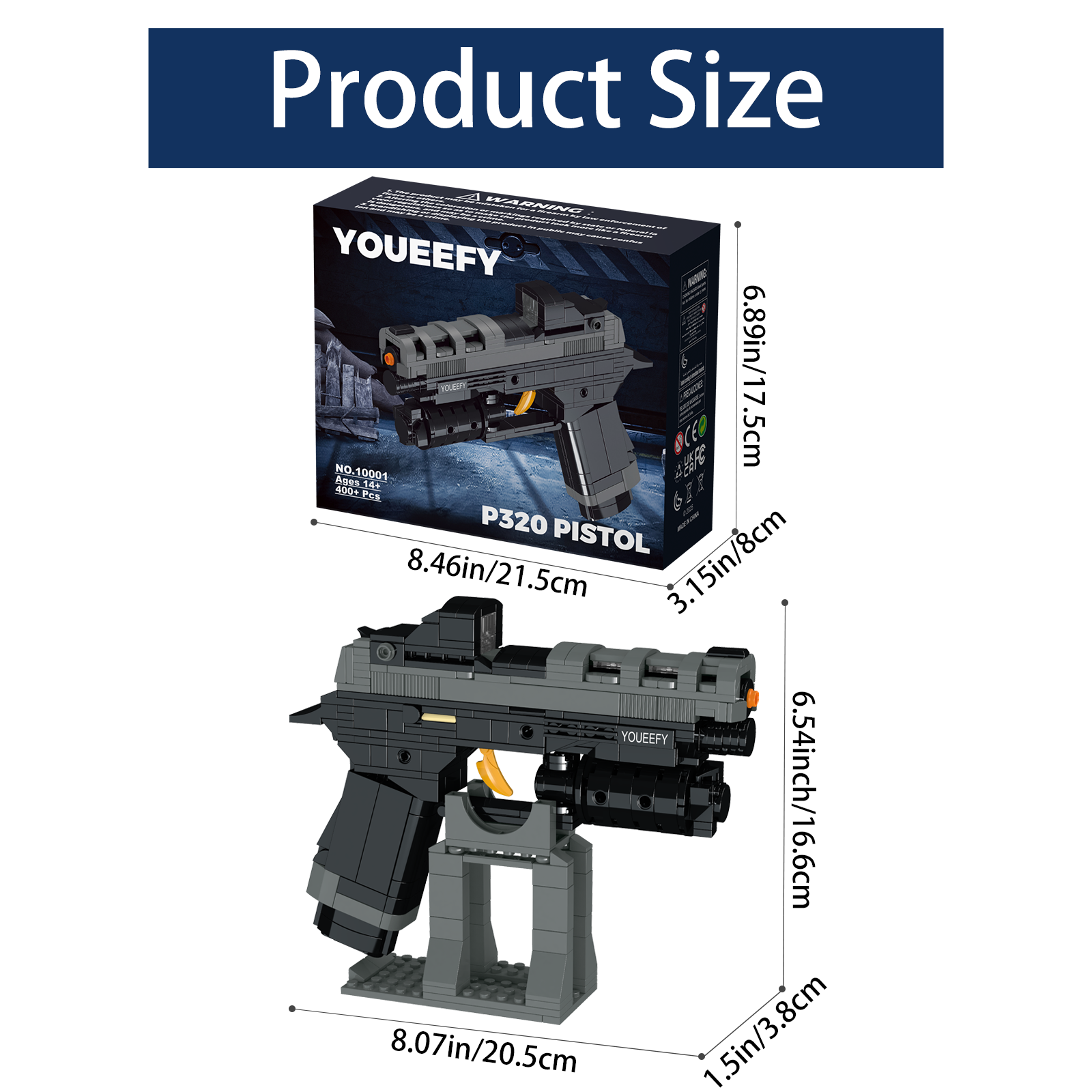
Think about where the model will actually sit before you buy. Some sets are physically large and dominate a shelf; others are compact and disappear on a crowded surface. Some finish in muted colors that fit modern interiors; others use brighter accents that need a more casual setting. Matching the model to the display space it is going to occupy is unglamorous, but it dramatically increases the chance you enjoy the finished piece long after the build is complete.
Mistake Four: Skipping the Community Reviews
Manufacturer marketing shows the best examples in the best light, which is fair. Community reviews show what the sets actually build like in a typical hobbyist's kitchen. Before spending money, spend ten minutes reading forum threads and long-form build logs on the specific set you are considering. Pay attention to consistent themes: does the same complaint show up in multiple reviews? Are instructions clear or ambiguous? Does the manufacturer respond to missing-piece requests? These small signals tell you far more than any product page.

What to Ignore in Reviews
Not every complaint is worth weighing equally. Reviews from buyers who obviously skipped assembly steps, mixed pieces from other sets, or rushed the build in one sitting reflect their process rather than the kit. Focus on reviews that describe the assembly experience in detail and show photos of the finished model, since those reviewers had the patience to complete the build properly and their observations are more reliable.
Mistake Five: Underestimating Time and Space
Finally, many buyers underestimate the physical space and time a serious build actually needs. You need a flat working surface roughly twice the length of the finished model. You need shallow trays for sorting pieces. You need a couple of quiet evenings, not a rushed weekend afternoon. If you cannot commit that space and time in the next two weeks, wait until you can before buying. Sets that sit in the box for months lose the momentum that made them appealing at purchase, and often never get built at all.

The good news is that all five of these mistakes are avoidable with pre-purchase attention. None of them require expensive tools, advanced skills, or years of hobby experience—they just require slowing down at the buying stage the same way you should slow down at critical assembly steps later. Buyers who do this consistently report far higher satisfaction with their finished models and come back for second and third sets much more often than buyers who skip the diligence.
Better Buying, Better Finished Models
The difference between a satisfying hobby purchase and a frustrating one almost always traces back to a few pre-purchase decisions rather than the build itself. Match the complexity tier to your current skill, pick a subject you actually want to display, judge engineering from close-up photos rather than piece count, read community reviews with an eye for consistent themes, and honestly assess whether you have the time and space to complete the build in the next two weeks. Do those five things and even your first serious purchase will finish successfully and earn its place on the shelf. Skip them, and you will learn the same lessons the harder way—usually three hours into a build that no longer feels enjoyable.