
It's 7 AM, and you're juggling breakfast prep, school lunches, and a mounting pile of laundry while your kids are glued to their tablets. Sound familiar? For tech-savvy parents, the irony is palpable—surrounded by smart devices designed to make life easier, yet family routines still feel chaotic and disconnected. Kids resist chores, schedules fall apart by mid-week, and that elusive quality family time keeps slipping away. The truth is, most households aren't lacking technology; they're lacking the right way to channel it toward meaningful engagement. Enter the HD clarity chore chart—a modern approach that transforms how families assign, track, and celebrate daily responsibilities. By combining high-definition visual displays with intuitive task management, this tool turns mundane chore lists into interactive experiences that kids actually want to participate in. It bridges the gap between screen time and productive time, giving parents a structured system that reduces stress while fostering teamwork. In this article, we'll explore why HD clarity matters for family engagement, walk through the key benefits for busy households, provide a step-by-step implementation guide, and show you how to seamlessly integrate this tool into your existing home entertainment setup and daily routines.
The Modern Family Challenge: Balancing Technology and Daily Responsibilities
Tech-savvy parents face a unique paradox. They've invested in smart home ecosystems, streaming services, and connected devices—yet harnessing that technology for productive family outcomes remains surprisingly difficult. The average household now contains over ten connected devices, most of which compete for children's attention rather than channeling it toward responsibility. Kids gravitate toward gaming apps and video content while parents struggle to redirect that screen engagement toward something constructive. The result is a household where technology amplifies distraction instead of reducing it. Meanwhile, daily routines suffer. Without a structured, visible system for tracking who does what, chores become a source of nagging and conflict rather than shared accomplishment. Parents end up repeating instructions, children feel micromanaged, and resentment builds on both sides. Research consistently shows that families with clear, consistent routines experience lower stress levels and stronger emotional connections. The missing piece isn't more technology—it's smarter application of what's already available. A tech-enhanced chore chart for kids leverages the displays and devices families already own, transforming passive screens into active tools for accountability, collaboration, and daily structure that everyone can see and follow.
What is an HD Clarity Chore Chart and Why It Matters for Families
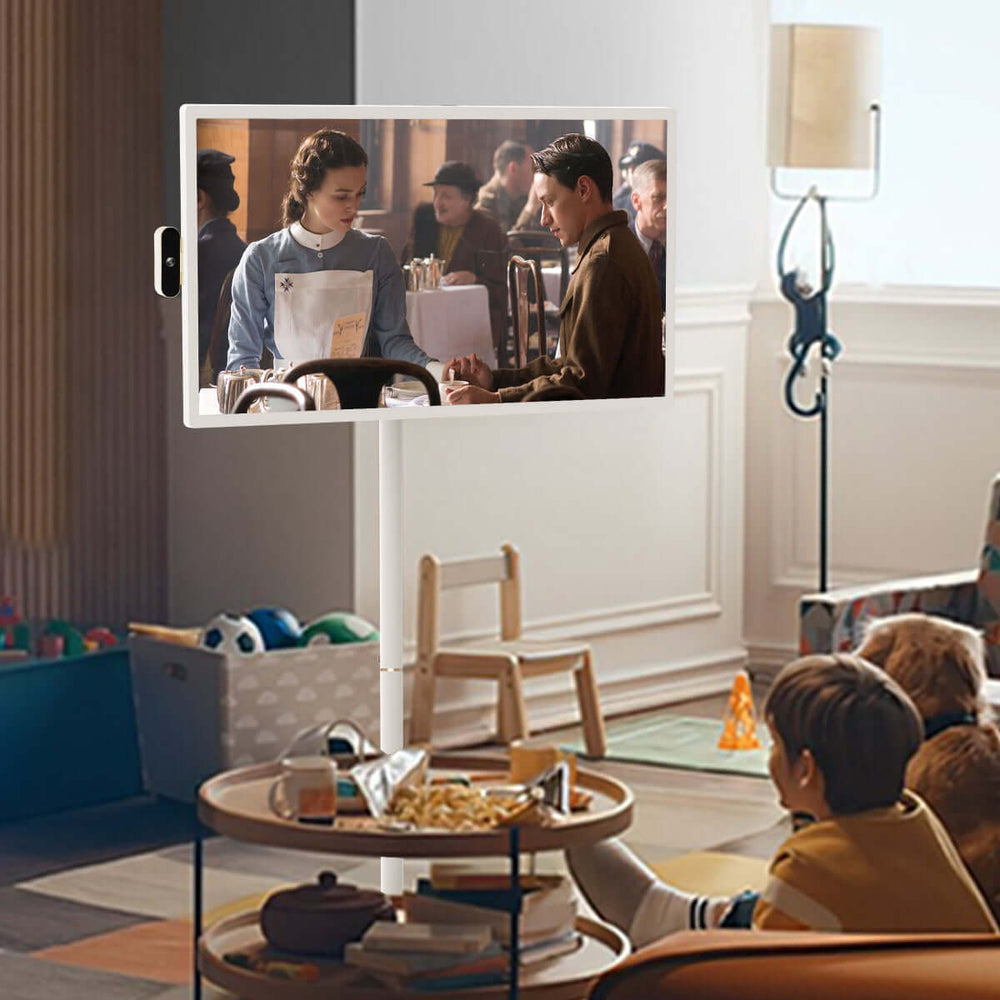
An HD clarity chore chart is a digitally designed or high-definition printed visual tool that assigns, organizes, and tracks household tasks for children using crisp, vibrant imagery and intuitive layouts. Unlike a scribbled whiteboard list or a paper chart that curls at the edges within a week, this approach prioritizes visual sharpness and readability—think bold icons, saturated color coding, and text that's legible from across the room. Whether displayed on a smart TV, a mounted tablet, or a professionally printed poster with high-resolution graphics, the defining feature is clarity that commands attention.
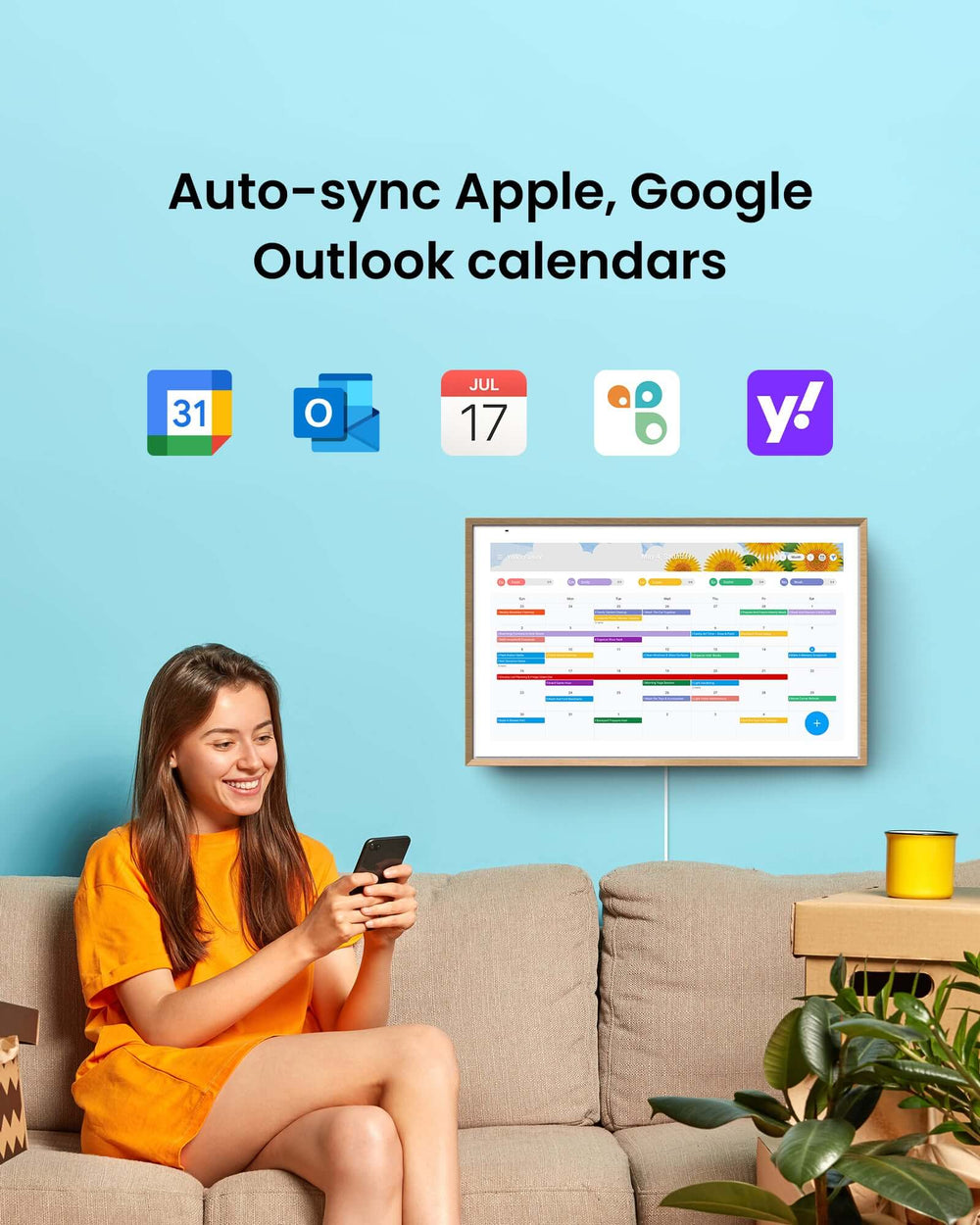
Why does HD clarity specifically matter? Children are visual learners shaped by a world of high-definition content. They're accustomed to the polished interfaces of their favorite apps and games, so a blurry or cluttered chore list simply doesn't register. When a chore chart matches the visual quality of the entertainment they already enjoy, it earns a place in their attention span rather than fading into background noise. Bright task categories, satisfying progress indicators, and character-driven designs make the chart feel less like a duty roster and more like an interactive experience worth checking throughout the day.
The practical advantages over traditional paper charts extend well beyond aesthetics. Digital HD charts can be updated instantly when routines shift—no crossing out, no reprinting. They support animated elements like checkmarks that pop or stars that fill up, adding a layer of interactivity that paper simply cannot deliver. Durability is another factor; there's nothing to tear, stain, or lose behind the refrigerator. Most importantly, a high-definition display transforms the chore chart from something kids walk past into something they walk toward, creating a natural anchor point for daily family coordination and shared accountability.
Key Benefits of an HD Clarity Chore Chart for Tech-Savvy Parents
Enhanced Family Engagement Through High-Quality Displays
When a chore chart looks as polished as the apps competing for your child's attention, something shifts. Kids stop ignoring it. The vibrant color coding—green for completed tasks, amber for in-progress, red for overdue—creates an instant visual language that even pre-readers can follow. Bold iconography replaces confusing text-heavy lists, so a picture of a made bed or a stacked dishwasher communicates expectations without a single word of nagging. This visual appeal does more than attract glances; it sparks conversation. Siblings compare progress, negotiate task swaps, and celebrate each other's completions because the display makes everyone's contributions visible and tangible. Parents report that gathering around the chart becomes a brief daily ritual—a two-minute family huddle that replaces scattered reminders shouted down hallways. The high-definition format also accommodates personalization that deepens investment. Each child gets their own avatar, color lane, or themed section, transforming shared responsibility into something that feels individually owned. When the display quality matches what kids experience in their favorite games, the chart earns psychological legitimacy—it belongs in their world rather than feeling like an imposed adult artifact.
Simplifying Daily Routines with Effective Task Tracking
Beyond engagement, the practical payoff for parents is substantial. A centralized HD chore chart eliminates the mental load of remembering who was supposed to do what and whether it actually happened. Progress bars fill in real time, reward milestones trigger automatically, and weekly summaries show patterns—like which tasks consistently stall or which child thrives with morning responsibilities versus evening ones. This data replaces guesswork with insight, allowing parents to adjust routines proactively rather than reactively. Notifications can remind children of upcoming tasks without parental intervention, breaking the exhausting cycle of ask-remind-nag-argue. The chart becomes the authority, not the parent, which diffuses power struggles considerably. Updating the system takes seconds: drag a task, reassign it, or shift deadlines when schedules inevitably change due to sports practice, playdates, or unexpected events. For families juggling multiple children across different age groups, the ability to customize complexity—simple picture tasks for a five-year-old, multi-step responsibilities for a twelve-year-old—means one unified system serves the entire household without anyone feeling overwhelmed or under-challenged.
Step-by-Step Guide to Creating and Implementing Your HD Clarity Chore Chart
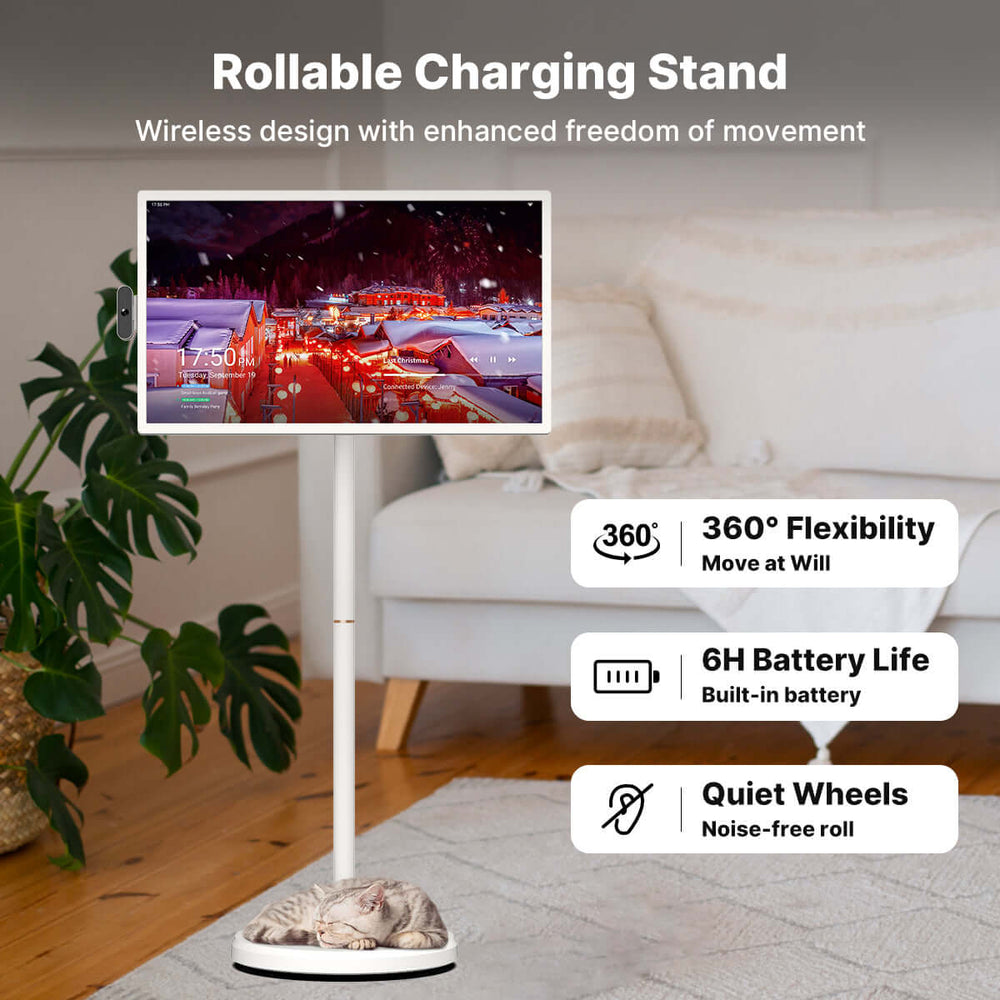
Getting your HD clarity chore chart up and running doesn't require technical expertise—just a clear plan and willingness to involve the whole family. Start by selecting your display technology. If you already own a smart TV mounted in a common area like the kitchen or living room, that's your ideal canvas. A wall-mounted tablet works equally well for smaller spaces, and some families opt for a portable TV like those offered by ApoloSign, which can be moved between rooms and positioned wherever the family gathers most. The key criterion is screen resolution: you want crisp visuals that remain readable from several feet away, so prioritize displays with at least 1080p resolution and strong brightness settings for well-lit rooms.
Next, design your chart layout with your children's ages and preferences in mind. Use a free design tool like Canva or a dedicated chore chart app that supports HD export. Assign each child a distinct color column or row, and represent tasks with bold, recognizable icons rather than text-heavy descriptions—a broom icon for sweeping, a dog bowl for pet feeding, a folded shirt for laundry. For younger children, keep it to three or four daily tasks with large tap targets or checkboxes. Older kids can handle multi-step responsibilities broken into sub-tasks, such as "clean room" expanding into make bed, organize desk, and vacuum floor.
Here's where buy-in becomes everything: involve your children in the setup process. Let them choose their avatar or color scheme, vote on which tasks rotate weekly, and suggest rewards they find genuinely motivating. Children who co-create the system feel ownership over it rather than viewing it as another parental mandate. During a fifteen-minute family meeting, walk through the chart together, clarify expectations for each task, and agree on completion standards so there's no ambiguity later about what "clean the bathroom" actually means.
Then build your reward and tracking mechanisms directly into the chart. Progress bars that visually fill as tasks are completed throughout the week provide continuous motivation, while milestone rewards—unlocked after five consecutive days of completion, for example—create longer-term goals. Rewards don't need to be material; extra screen time, choosing the weekend dinner menu, or picking the family movie all work powerfully. Finally, treat the first two weeks as a testing phase. Gather feedback each evening: Are certain tasks consistently skipped? Is the morning routine too front-loaded? Adjust task assignments, timing, and difficulty based on what you observe, and let your kids voice what's working and what feels unfair. This iterative approach ensures the chart evolves with your family rather than becoming another abandoned system collecting digital dust.
Integrating the Chore Chart with Home Entertainment and Family Routines
The real power of an HD clarity chore chart emerges when it stops being a standalone tool and becomes woven into the fabric of your family's daily rhythm. The most effective integration strategy ties chore completion directly to the entertainment experiences your family already enjoys. When kids finish their weekly tasks with consistency, the reward might be choosing Friday's family movie night selection, unlocking an extra episode of their favorite series, or earning gaming time on the weekend. This connection between responsibility and entertainment feels natural rather than punitive because the same high-definition display hosting their chore progress can seamlessly transition to streaming their earned reward.
Scheduling chore times around existing routines strengthens adherence without adding friction. Position morning tasks between breakfast and the school departure window, and anchor evening responsibilities to the gap between homework completion and dinner. The HD chart, visible on your kitchen smart display or living room TV, serves as a passive reminder during these transition moments—no verbal prompting required. Some families dedicate the first five minutes after school as a quick "chart check" where kids review afternoon tasks while grabbing a snack, turning it into a habitual pause rather than an interruption. Because the chart lives on technology your household already uses daily, it never feels like an extra app to open or a separate system to maintain. It becomes part of the home's operating rhythm, as natural as checking the weather or queuing up a playlist, reinforcing that technology in your home serves productivity and connection equally.
Turning Screen Time into Family Teamwork with HD Chore Charts
The HD clarity chore chart represents exactly what tech-savvy families need—a bridge between the technology already filling their homes and the structured routines that build responsibility, reduce stress, and bring everyone closer together. By leveraging high-definition visuals that match the quality children expect from their entertainment, this tool earns attention rather than demanding it. The benefits compound over time: kids develop accountability habits without constant parental prompting, daily routines become predictable rather than chaotic, and the entire household shares a visible system that celebrates contribution instead of punishing neglect. Family bonding strengthens naturally when siblings track progress together, negotiate responsibilities, and work toward shared rewards. The implementation steps outlined here—choosing your display, designing with your children, building reward structures, and iterating based on real feedback—provide a clear path from concept to daily practice. Start small, stay flexible, and let your family's input shape the system into something uniquely yours. Technology will continue evolving in our homes, but the families who thrive will be those who intentionally direct it toward connection and growth rather than passive consumption. Your HD clarity chore chart is a powerful first step in that direction.