
There's something magical about pulling the perfect espresso shot in your own kitchen—the rich crema, the balanced flavors, the aromatic steam rising from your cup. Yet many home baristas find themselves frustrated by inconsistent results, struggling to recreate that café-quality experience they crave. The difference often lies not in skill alone, but in having the right tools at your disposal.
Meraki espresso machines with built-in grinders bridge the gap between amateur experimentation and professional-level brewing. These machines bring together advanced PID technology for precise temperature control, intuitive touchscreen interfaces that demystify complex brewing parameters, and integrated grinding systems that ensure consistency from bean to cup. Whether you're just beginning your espresso journey or looking to refine your technique, understanding how to leverage these features transforms your daily coffee ritual. In this article, you'll discover how professional-grade equipment elevates your brewing, master the science behind temperature stability, navigate advanced extraction techniques, and learn maintenance practices that keep your machine performing at its peak for years to come.
Why Professional-Level Espresso Starts with the Right Machine
The equipment you choose fundamentally shapes every espresso shot you pull. While skill and technique matter immensely, even the most experienced barista cannot overcome the limitations of an inconsistent machine. Temperature fluctuations, unstable pressure, and poor grind quality create variables that make repeatability nearly impossible, leaving you guessing what went wrong with each disappointing cup.
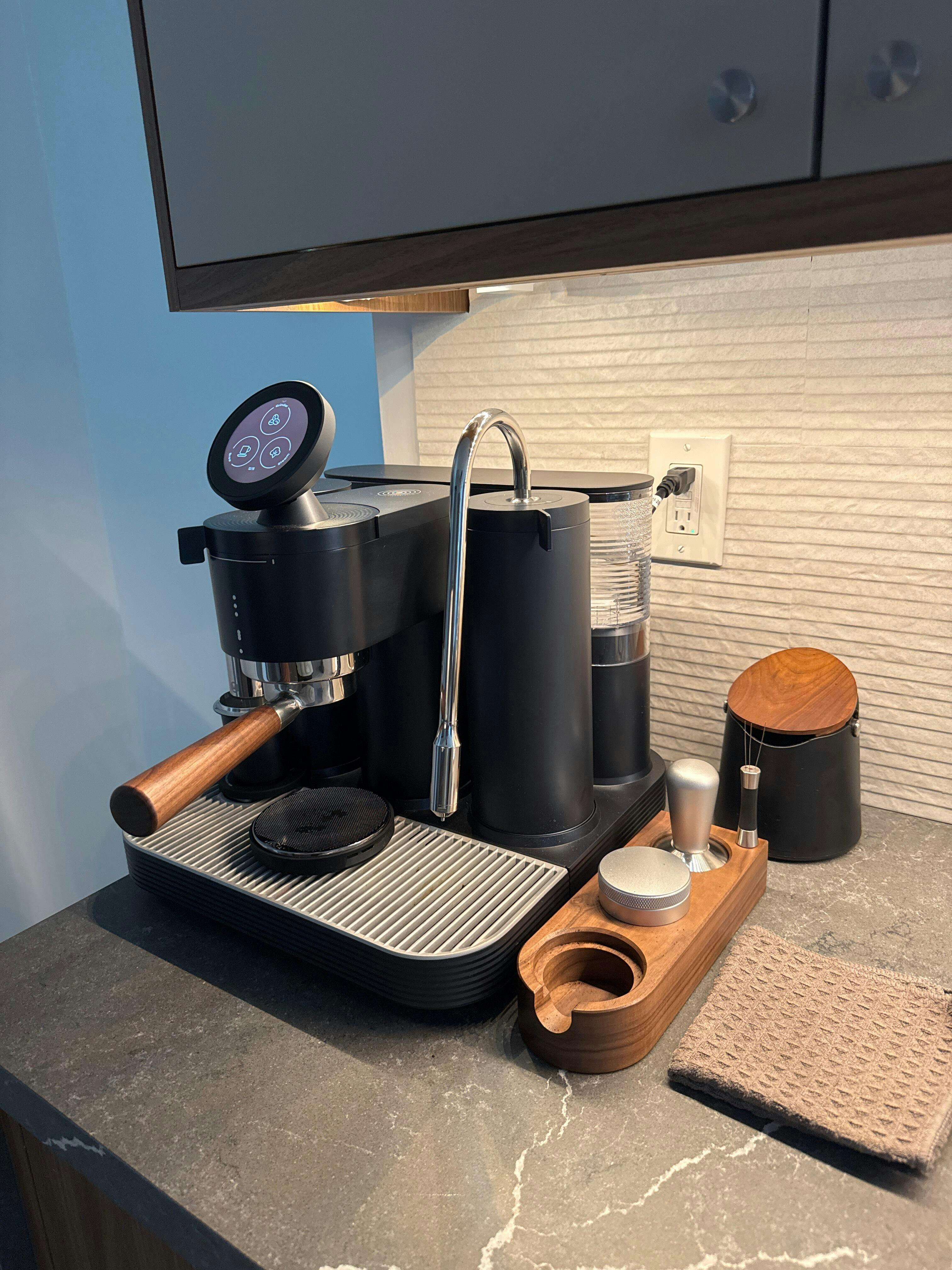
Built-in grinders eliminate one of the biggest sources of inconsistency in home brewing. When your grinder and espresso machine work as a unified system, you maintain control over the entire extraction process without the variables introduced by transferring grounds between separate devices. Freshly ground coffee loses aromatic compounds within minutes of grinding, so the immediacy of integrated systems preserves the nuanced flavors that distinguish exceptional espresso from merely adequate shots.
Standard home machines typically use basic thermostats that allow temperature swings of several degrees, while professional-grade equipment maintains stability within a single degree. This precision directly translates to consistent extraction, where the same coffee and grind settings produce reliably excellent results shot after shot. Machines from manufacturers like Meraki Tech Global bring this professional-level consistency to home kitchens through robust build quality, commercial-grade components, and intelligent systems that monitor and adjust brewing parameters in real time. The difference becomes apparent not just in individual shots, but in your ability to develop repeatable techniques that improve your skills over time.
Mastering Temperature Control with PID Technology
PID technology—which stands for Proportional-Integral-Derivative control—represents a fundamental advancement in espresso machine engineering. Rather than simply switching heating elements on and off when temperature thresholds are reached, PID controllers continuously monitor water temperature and make micro-adjustments to maintain stability. This closed-loop system anticipates temperature drift before it occurs, calculating the precise amount of heating power needed at any given moment to maintain your target brewing temperature.
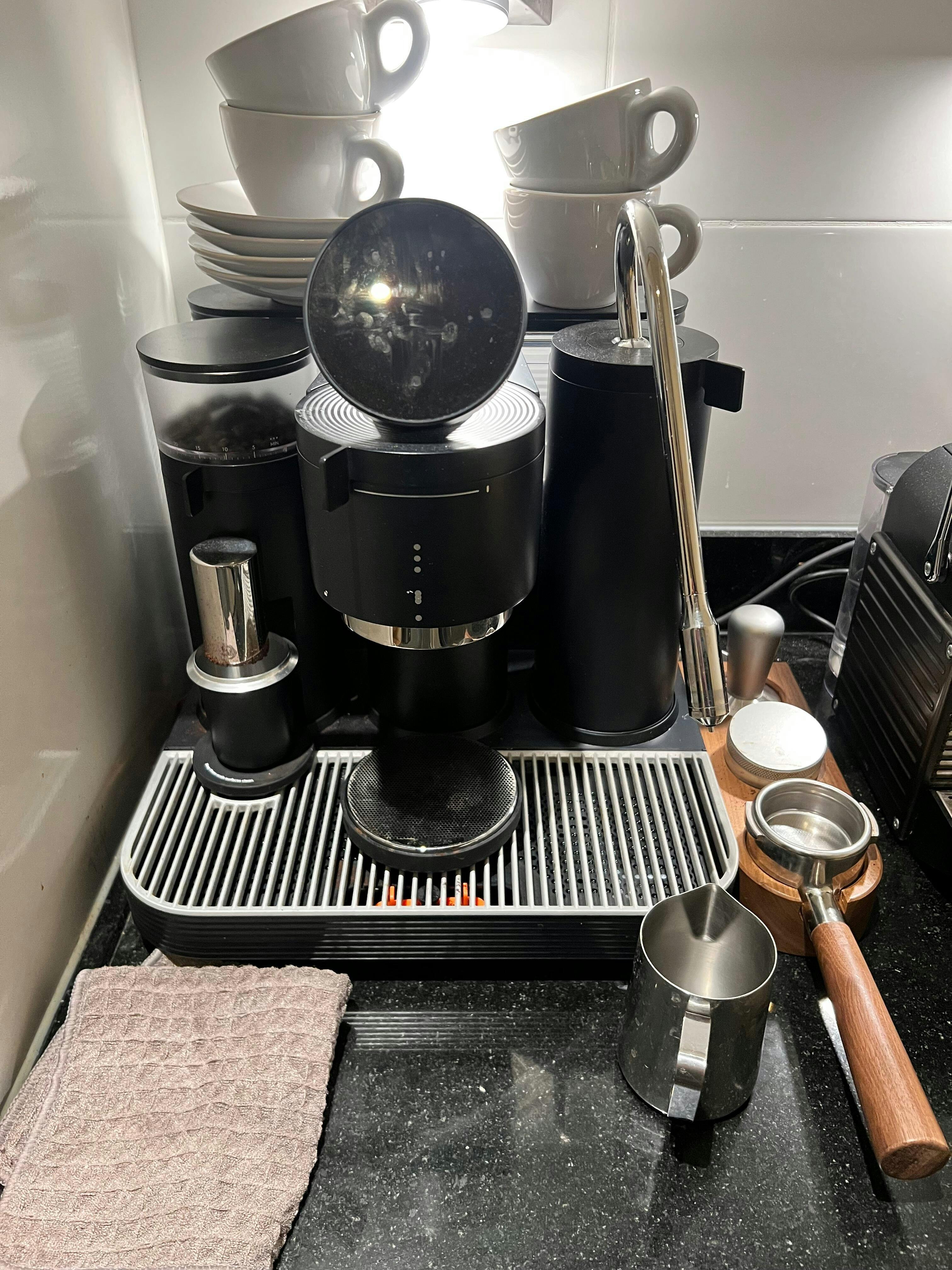
Temperature precision directly determines which compounds extract from your coffee grounds during brewing. Water that's too hot pulls harsh, bitter tannins and over-extracts delicate aromatics, while cooler water under-extracts, leaving you with sour, weak shots that lack body and sweetness. The ideal extraction window typically spans just two to three degrees Fahrenheit, making stability crucial. Meraki machines maintain temperature within half a degree of your target, ensuring that the same coffee and grind settings produce consistent flavor profiles every time you brew.
Most espresso enthusiasts find their sweet spot between 195°F and 203°F, though optimal temperature varies with roast level and bean origin. Lighter roasts generally benefit from higher temperatures that fully extract their complex acidity and floral notes, while darker roasts often perform best at lower temperatures that emphasize chocolate and caramel tones without amplifying bitterness. Start at 200°F as your baseline, then adjust in one-degree increments based on taste. If your shots taste sour or thin, increase temperature slightly. If bitterness dominates or astringency appears, reduce temperature. Document your settings for different coffees, building a reference library that accelerates your workflow and deepens your understanding of how temperature shapes flavor.
The Meraki Touchscreen Interface: Brewing Made Intuitive
Modern espresso machines can overwhelm new users with an array of buttons, dials, and cryptic indicators that obscure rather than clarify the brewing process. Meraki's touchscreen interface transforms this complexity into an accessible, visual experience where every parameter is clearly labeled and easily adjustable. The high-resolution display presents brewing variables in plain language, showing real-time temperature readings, shot timers, and pressure gauges that help you understand what's happening inside your machine during extraction.
The interface organizes functions into logical categories, allowing you to save multiple coffee profiles with distinct settings for different beans or brewing styles. You might create one profile for your daily medium roast with standard parameters, another for delicate light roasts requiring higher temperatures and longer pre-infusion, and a third for decaf that benefits from modified pressure curves. Switching between profiles takes seconds, eliminating the need to manually readjust multiple settings each time you change coffees.
To navigate the system effectively, start by exploring the main menu's four primary sections: brewing parameters, grinder settings, maintenance reminders, and saved profiles. Begin with a default profile and pull several shots while observing the real-time data displayed during extraction. Note how pressure builds during pre-infusion, how temperature remains stable throughout the shot, and how flow rate changes as extraction progresses. This visual feedback accelerates your learning, connecting abstract concepts like extraction time and brew ratio to tangible, observable results. As you gain confidence, adjust one variable at a time—perhaps increasing pre-infusion duration by two seconds or raising temperature by one degree—and immediately taste the difference, building an intuitive understanding of how each parameter shapes your espresso's flavor.
Advanced Brewing Techniques with Your Meraki Machine
Dialing in your grind size forms the foundation of exceptional espresso extraction. Start with a medium-fine grind—similar to table salt texture—and pull a shot while timing the extraction. Your target is approximately 25-30 seconds for a double shot, yielding about two ounces of liquid. If your shot pulls faster than 20 seconds and tastes sour or watery, your grind is too coarse; adjust finer by one or two settings on your grinder. If extraction exceeds 35 seconds and tastes bitter or astringent, coarsen your grind slightly. Make small adjustments between shots, changing only one variable at a time so you can identify exactly what improves or degrades your results.
Pressure profiling allows you to manipulate extraction dynamics beyond simple on-off brewing. Traditional espresso uses constant nine-bar pressure throughout extraction, but varying pressure at different stages can highlight specific flavor characteristics. A declining pressure profile starts at full pressure and gradually reduces as the shot progresses, emphasizing sweetness and body while minimizing bitterness. Conversely, ramping pressure from low to high can enhance clarity and brightness in lighter roasts. Access your Meraki's pressure profiling through the advanced settings menu, where you can create custom curves or select from pre-programmed profiles designed for different roast levels.
Pre-infusion saturates coffee grounds with low-pressure water before full extraction begins, allowing even wetting that prevents channeling and promotes uniform extraction. Set your pre-infusion duration between three and eight seconds, starting at five seconds as a baseline. Longer pre-infusion works particularly well with lighter roasts and fresher beans that tend to resist initial water penetration. When troubleshooting common issues, examine your spent puck after extraction: a soupy, muddy puck indicates too fine a grind or excessive dose, while a dry, cracked puck suggests coarse grinding or insufficient tamping pressure. Channeling appears as uneven coloration or holes in the puck, signaling distribution problems before tamping or inconsistent water flow during extraction.
Maintaining Your Espresso Machine for Longevity
Daily maintenance takes just minutes but dramatically extends your machine's lifespan and preserves shot quality. After each brewing session, purge the group head by running water through it without a portafilter attached, flushing away residual coffee oils that turn rancid and contaminate future shots. Wipe the group head gasket with a damp cloth to remove stuck grounds, then clean your portafilter and basket with hot water, using a small brush to dislodge any trapped particles. Empty and rinse the drip tray, and wipe down the machine's exterior and steam wand with a microfiber cloth.
Descaling removes mineral buildup that restricts water flow and degrades temperature stability. Perform this process every two to three months if you use filtered water, or monthly with hard tap water. Your Meraki's touchscreen displays reminders based on shot count and water volume. Use only espresso-specific descaling solution, following the guided process shown on your machine's display. The system automatically pumps solution through internal components, pauses for soaking periods, then flushes thoroughly with fresh water.
Grinder burrs require cleaning every few weeks to prevent oil accumulation that affects grind consistency. Remove the hopper and upper burr according to your manual's instructions, then brush away trapped grounds and wipe burrs with a dry cloth—never use water on burrs, as moisture causes rust. Replace burrs every one to two years depending on usage volume, watching for signs like inconsistent particle size or increased grinding noise. Schedule professional servicing annually to inspect internal seals, calibrate pressure systems, and replace worn components before they fail, ensuring your machine continues delivering exceptional espresso for years to come.
Elevate Your Home Barista Journey
Mastering home espresso requires more than passion—it demands equipment that delivers professional-level consistency through PID temperature control, intuitive touchscreen interfaces that demystify complex brewing parameters, and integrated grinding systems that preserve coffee's fleeting aromatics. Meraki espresso machines provide these essential tools, transforming your kitchen into a space where experimentation yields reliable, repeatable results rather than frustrating guesswork.
The journey from inconsistent shots to café-quality espresso becomes achievable when your machine maintains temperature stability within half a degree, when you can save custom profiles for different beans, and when every brewing variable is transparently displayed and easily adjusted. These capabilities don't just improve your coffee—they accelerate your learning, helping you understand how grind size, temperature, pressure, and pre-infusion interact to create the flavors you taste in your cup.
Start with the fundamentals outlined here, then venture into pressure profiling, experiment with temperature variations across different roasts, and develop your palate through deliberate practice. Quality equipment represents an investment not just in better coffee, but in the skills and knowledge you'll build over years of daily brewing. Your perfect espresso awaits—it's time to pull that first shot.