
The postpartum period represents one of the most physically and emotionally demanding phases in a woman's life. While much attention focuses on pregnancy and childbirth, the weeks following delivery require equally thoughtful care and preparation. New mothers navigate a complex recovery process while simultaneously caring for their newborns, often leaving little time to address their own healing needs. Physical discomfort, hormonal fluctuations, sleep deprivation, and the adjustment to new responsibilities create a challenging landscape that deserves proper support and attention.
Understanding the importance of postpartum recovery and having access to the right products can make a significant difference in how mothers experience these early weeks. The right care tools not only provide physical relief but also contribute to emotional well-being, allowing mothers to focus on bonding with their babies while their bodies heal. This guide explores essential postpartum care products designed to ease common discomforts and support a smoother recovery journey.
Introduction to Postpartum Care
Postpartum care extends far beyond the immediate hours after delivery, encompassing the critical six to eight weeks when a mother's body undergoes profound healing and adjustment. This period involves physical recovery from childbirth trauma, hormonal rebalancing, and the establishment of new routines centered around infant care. Proper postpartum care addresses both visible and invisible wounds, from perineal tears and cesarean incisions to uterine contraction and breast tissue changes. Neglecting this recovery phase can lead to prolonged discomfort, delayed healing, and increased risk of complications. Prioritizing self-care during these weeks isn't selfish—it's essential for both maternal health and the ability to provide quality care for a newborn. Investing in appropriate recovery products and practices creates a foundation for long-term physical wellness and emotional resilience.
Common Challenges Faced by New Mothers
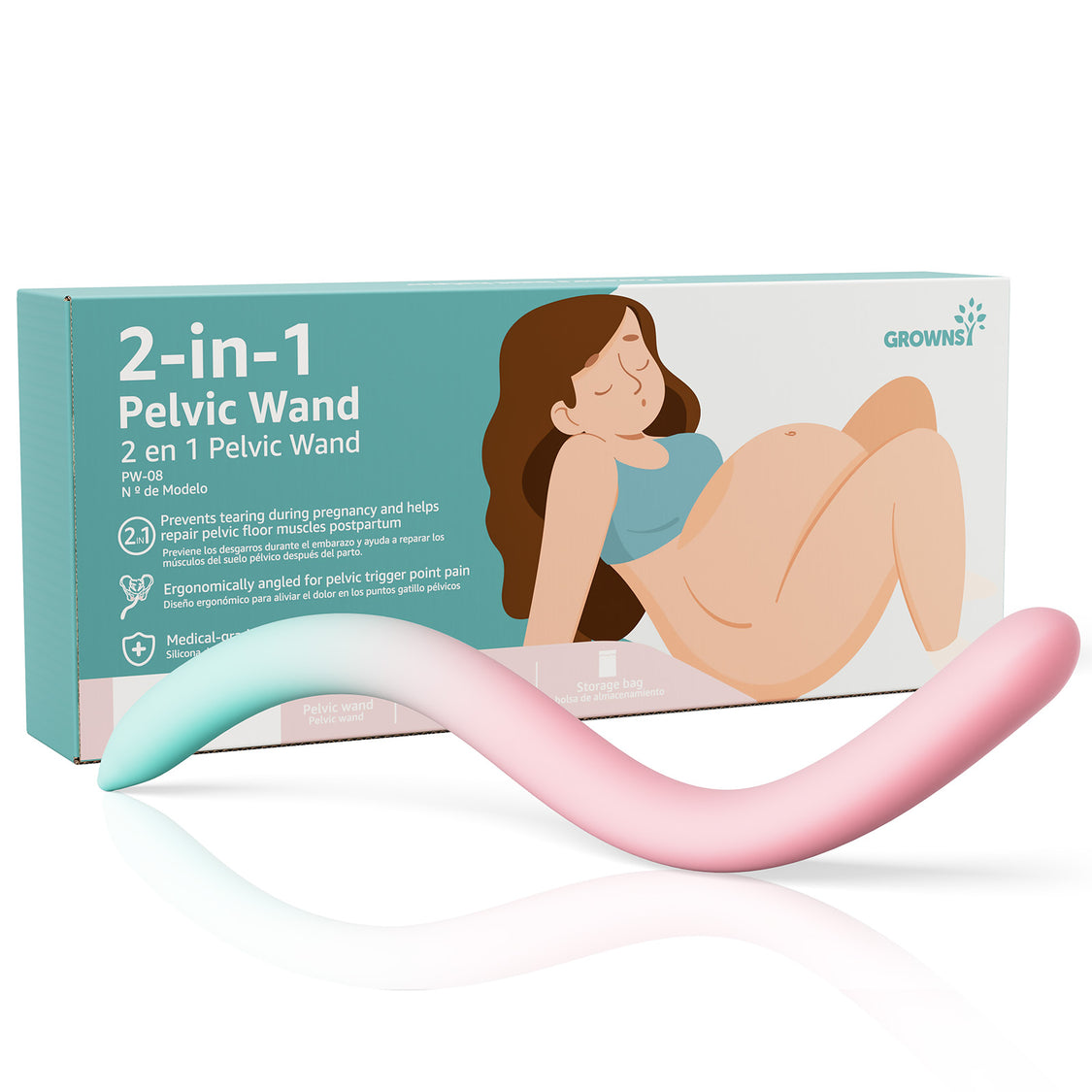
The postpartum body endures significant trauma that manifests in various uncomfortable ways. Perineal pain from tears or episiotomies creates difficulty sitting, walking, and using the bathroom. Heavy bleeding requires constant attention and management, while uterine cramping intensifies during breastfeeding as the body works to return to its pre-pregnancy size. Swollen, engorged breasts cause throbbing discomfort, particularly when milk comes in. Hemorrhoids and constipation add to the physical burden, making simple daily activities challenging. Sleep deprivation compounds every discomfort, lowering pain thresholds and emotional resilience. Many mothers also experience anxiety about their recovery timeline, wondering if their symptoms are normal or require medical attention. These overlapping challenges create a recovery environment that demands practical solutions and compassionate support.
Role of Postpartum Care Products
Postpartum care products serve as practical tools that bridge the gap between medical intervention and daily comfort management. These specialized items address specific recovery needs that standard household supplies cannot adequately meet. Cooling sprays reduce inflammation and provide immediate relief to tender tissues, while therapeutic pads offer targeted temperature therapy that accelerates healing. Support garments stabilize weakened abdominal muscles and provide gentle compression that eases movement. Quality postpartum products are designed with the unique physiology of recovering mothers in mind, using safe ingredients and ergonomic designs that accommodate postpartum bodies. By reducing physical discomfort, these products allow mothers to rest more effectively, move with greater ease, and engage more fully with their newborns, ultimately supporting both physical recovery and emotional adjustment to motherhood.
Top Postpartum Care Products
Perineal Cooling Spray
Perineal cooling sprays have become essential recovery companions for mothers dealing with the aftermath of vaginal delivery. These specially formulated sprays combine soothing botanical ingredients like witch hazel, aloe vera, and lavender with cooling agents that provide instant relief to swollen, tender tissues. The no-touch application method allows mothers to treat sensitive areas without causing additional discomfort, making bathroom visits and diaper changes more manageable. The portable bottle design fits easily into a bathroom caddy or diaper bag, enabling relief wherever it's needed. Many sprays offer additional benefits beyond cooling, including mild antiseptic properties that support cleanliness and reduce infection risk. The gentle mist delivery system ensures even coverage without harsh pressure on healing tissues. For maximum effectiveness, mothers should apply the spray after each bathroom visit and pad change, holding the bottle several inches away and allowing the mist to air-dry naturally. This simple ritual transforms a painful daily necessity into a more tolerable experience, supporting both physical healing and emotional well-being during the vulnerable early postpartum days.
Gentle Perineal Support
Perineal support products offer targeted assistance for the delicate healing process following vaginal delivery. These specialized cushions and supports reduce pressure on tender tissues when sitting, making feeding sessions, meals, and rest periods significantly more comfortable. Inflatable ring cushions distribute body weight away from the perineal area, while contoured foam designs provide ergonomic support that accommodates postpartum anatomy. Many mothers find that using these supports allows them to sit for longer periods without wincing, facilitating better rest and more relaxed bonding time with their babies. Beyond physical comfort, perineal supports provide psychological reassurance, reducing anxiety about aggravating tears or stitches during normal activities. Quality supports feature washable covers that maintain hygiene standards crucial during recovery. They're lightweight and portable enough to move between rooms or take to medical appointments, ensuring consistent comfort throughout the day.

Postpartum Comfort Pads
Therapeutic comfort pads designed for postpartum use offer versatile temperature therapy that addresses multiple recovery challenges. These reusable pads can be chilled in the refrigerator or freezer to provide anti-inflammatory cold therapy that reduces swelling and numbs acute pain, particularly beneficial in the first days after delivery. Alternatively, gentle warming provides soothing relief for uterine cramping and promotes circulation to support tissue healing. The pads' soft, flexible construction conforms to the body's contours, maintaining contact with affected areas without creating uncomfortable pressure points. Medical-grade gel interior materials hold temperature consistently for extended periods, maximizing therapeutic benefits between treatments. The discrete design fits comfortably inside postpartum underwear or can be held in place with specialized support garments. Many mothers alternate between cold and warm applications throughout the day, using cold therapy after activity and warm therapy during rest periods to optimize healing and comfort management.
How to Choose the Right Product
Selecting appropriate postpartum care products requires honest assessment of your specific recovery needs and delivery experience. Consider the type of birth you had—vaginal deliveries typically require more perineal care products, while cesarean sections demand abdominal support and incision care items. Evaluate your pain levels and primary discomfort areas to prioritize products that address your most pressing challenges. Read ingredient lists carefully, avoiding products with harsh chemicals or potential allergens that could irritate sensitive postpartum skin. Check product reviews from other mothers who share similar recovery circumstances, paying attention to comments about effectiveness and ease of use. Consult your healthcare provider about any products you're uncertain about, especially if you have complications or special medical considerations. Budget considerations matter, but prioritize quality for items you'll use frequently, as effective products ultimately save money by preventing complications and reducing recovery time.
Considerations for Different Users
Healthcare providers should recommend products based on each patient's delivery details, complications, and pre-existing conditions, ensuring suggestions align with medical protocols and safety standards. They should educate mothers on proper product usage and warning signs that require medical attention rather than home care solutions. New mothers should communicate openly with their care team about their comfort levels and any concerns about recommended products. First-time mothers may benefit from starter kits that include variety, allowing them to discover what works best for their bodies. Mothers with previous postpartum experience can build targeted product collections based on past recovery patterns, though each delivery presents unique healing requirements worth reassessing.
Real-Life Testimonials
Sarah, a first-time mother from Portland, credits perineal cooling spray with making her first two weeks bearable after a second-degree tear. "I kept it in the refrigerator for extra cooling power, and it was the only thing that let me sit through feeding sessions without crying," she shares. Jessica experienced significant relief using therapeutic comfort pads after her cesarean delivery, alternating cold applications to reduce incision swelling with warm therapy for the intense cramping she felt while nursing. "Having that simple tool gave me control over my pain management between medication doses," she explains. For Maria, a mother of three, the combination of a perineal support cushion and comfort pads transformed her third postpartum experience. "I wish I'd known about these products with my first two babies—recovery doesn't have to be miserable," she reflects. Emily found that investing in quality postpartum products from brands like Grownsy allowed her to be more present with her newborn twins. "When you're not constantly uncomfortable, you have more emotional energy for your babies and yourself," she notes, emphasizing how physical comfort directly impacted her early bonding experience and overall postpartum adjustment.
Tips for Effective Use
Maximize the benefits of postpartum care products by establishing a consistent routine that integrates them into your daily recovery regimen. Keep frequently used items like cooling sprays and comfort pads within arm's reach of your primary resting and feeding areas to ensure accessibility when discomfort strikes. Apply perineal spray after every bathroom visit and pad change rather than waiting until pain intensifies—preventive application maintains comfort more effectively than reactive treatment. Store therapeutic pads properly according to manufacturer instructions, with cold therapy pads in the freezer and heating options nearby for quick access. Combine products strategically: use a perineal support cushion while applying cooling spray, or place a comfort pad against your abdomen while sitting on a support ring. Track your pain levels and product effectiveness in a simple journal or phone app to identify patterns and optimize your approach. Replace disposable items before they run out to avoid gaps in your comfort management. Clean reusable products daily to maintain hygiene standards crucial during recovery. Listen to your body's signals—if a product causes increased pain or irritation, discontinue use and consult your healthcare provider immediately.
Prioritizing Your Postpartum Recovery
Postpartum recovery deserves the same careful attention and preparation that mothers devote to pregnancy and childbirth. The right care products transform this challenging period from one of endurance into an opportunity for genuine healing and comfort. Perineal cooling sprays, support cushions, and therapeutic comfort pads address the most common physical discomforts that new mothers face, allowing them to rest more effectively and engage more fully with their newborns. Selecting products tailored to your specific delivery experience and recovery needs ensures that your investment provides maximum benefit. Remember that prioritizing your own healing isn't selfish—it's essential for your long-term health and your ability to care for your baby with the energy and presence they deserve.