
When temperatures drop, staying comfortable during outdoor workouts becomes a challenge that can derail even the most dedicated fitness routines. Fleece lined leggings offer a game-changing solution by combining warmth with flexibility, allowing you to maintain your exercise regimen regardless of weather conditions. These innovative garments trap body heat while wicking away moisture, creating an ideal microclimate that keeps muscles warm and ready for action.
Proper layering isn't just about piling on clothes—it's a strategic approach to temperature regulation that prevents both overheating and cold-related discomfort. Understanding how different fabrics work together helps you stay in your optimal performance zone throughout your entire workout, from warm-up to cool-down.
This guide is designed for active individuals who refuse to let cold weather compromise their fitness goals. Whether you're a morning runner, outdoor yoga enthusiast, or someone who simply enjoys winter walks, you'll discover practical strategies to maximize comfort and performance with fleece lined leggings as your foundation layer.
Understanding Fleece Lined Leggings
Fleece lined leggings are cold-weather workout pants featuring a soft, insulating inner layer bonded to a durable outer fabric. The fleece lining typically consists of brushed polyester or a polyester-spandex blend that creates thousands of tiny air pockets against your skin. These pockets trap warm air generated by your body, forming a thermal barrier that maintains consistent temperature even as you move through frigid conditions. The outer layer is usually made from moisture-wicking synthetic materials that pull sweat away from the fleece interior, preventing that clammy feeling that can occur during intense exercise. This dual-layer construction allows the leggings to function as both insulation and performance wear. The stretchy nature of the materials ensures full range of motion for squats, lunges, and dynamic movements, while the added thickness provides modest compression that supports muscles during activity. Unlike traditional winter pants that can feel bulky and restrictive, fleece lined leggings maintain a streamlined profile that fits comfortably under additional layers or works as standalone bottoms for moderate cold conditions.

Benefits of Fleece Lined Leggings
The primary advantage of fleece lined leggings is their ability to maintain warmth without sacrificing mobility, making them ideal for activities ranging from trail running to outdoor strength training. The insulating properties work by trapping body heat close to your skin, which keeps muscles at optimal operating temperature and reduces the risk of strains or pulls that commonly occur when exercising in cold conditions. This warmth retention is particularly valuable during warm-up phases when your body hasn't yet generated sufficient heat through movement. Beyond thermal protection, these leggings excel at moisture management through their dual-layer system—the outer fabric actively pulls perspiration away from the fleece interior, allowing it to evaporate rather than accumulate against your skin. This prevents the post-workout chill that happens when sweat-soaked clothing meets cold air. The added thickness provides gentle compression that supports blood circulation and reduces muscle vibration during high-impact activities. Many athletes also appreciate the psychological comfort of knowing they're protected from wind and cold, which allows them to focus entirely on performance rather than discomfort. The versatility extends beyond workouts too, as these leggings transition seamlessly from exercise sessions to casual wear, making them a practical investment for anyone living in cold climates.
How to Choose the Right Fleece Lined Leggings
Selecting the right fleece lined leggings requires evaluating several key factors that directly impact comfort and performance during workouts. Start by examining the fabric composition—look for a blend that includes at least 10-15% spandex or elastane alongside polyester, as this ensures adequate stretch for dynamic movements while maintaining shape retention after repeated washing. The fleece lining should feel soft against bare skin without pilling or shedding fibers, which indicates quality construction. Pay attention to the outer fabric's texture; a tightly woven surface resists wind penetration better than loosely knit materials, making it more effective for outdoor activities. Fit is equally critical—the waistband should sit comfortably without digging in or rolling down during movement, and the length should reach your ankle bone to prevent cold air from entering at the bottom. Consider the opacity of the fabric by doing a squat test in the dressing room; quality leggings remain non-see-through even when stretched. Think about your specific workout needs: high-intensity activities benefit from leggings with reinforced seams and gusseted crotches that prevent chafing, while lower-impact exercises allow for simpler construction. The thickness of the fleece lining varies between products—thicker isn't always better if you tend to overheat easily, so match the insulation level to your typical exercise intensity and local climate conditions. Finally, check for practical features like hidden pockets for keys or cards, reflective elements for early morning or evening workouts, and flatlock seams that minimize irritation during extended wear. Brands like Baleaf Sports offer various fleece lined options with different insulation levels and features, allowing you to find the specific combination that matches your workout style and climate needs.
Layering Tips for Optimal Comfort
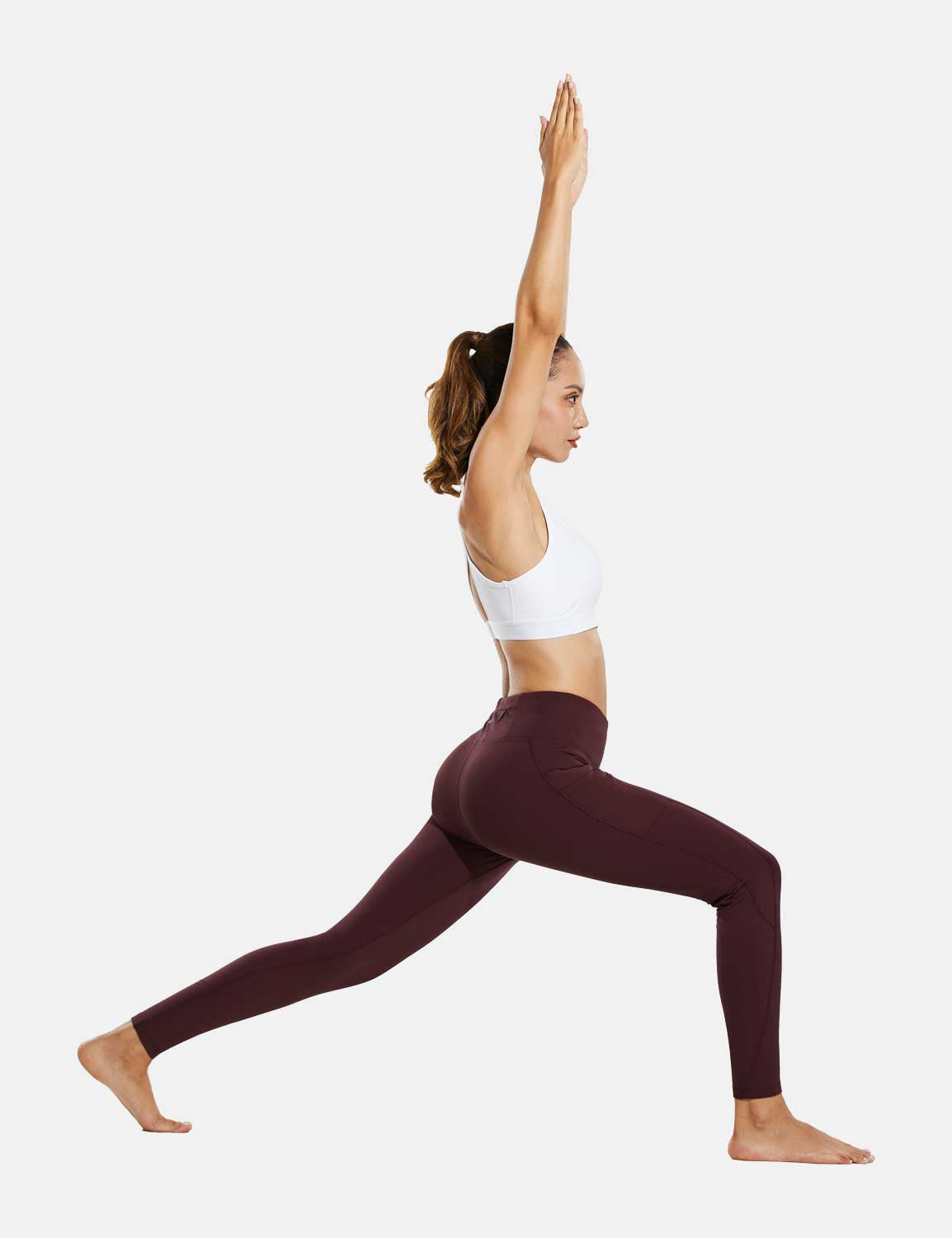
Effective layering transforms fleece lined leggings from simple workout pants into part of a complete thermal management system that adapts to changing conditions throughout your exercise session. The fundamental principle behind layering is creating multiple insulation zones that work together while allowing you to adjust your body temperature by adding or removing pieces as needed. Start by thinking of your fleece lined leggings as the foundation—they provide the baseline warmth and moisture control upon which you'll build additional layers for your upper body. The key is coordinating fabrics that complement each other rather than compete; avoid cotton at all costs since it absorbs moisture and loses insulating properties when wet, instead opting for synthetic or merino wool materials that maintain performance even when damp. Begin your workout slightly cooler than comfortable, knowing that your body will generate significant heat within the first ten minutes of activity. This prevents the common mistake of overdressing, which leads to excessive sweating and subsequent chilling when you stop moving. Pay attention to your extremities as well—cold hands and feet can make your entire body feel colder even when your core is adequately insulated. Consider the wind chill factor for outdoor activities, as moving air dramatically increases heat loss from exposed skin and thin fabric areas. Your layering strategy should also account for workout intensity variations; interval training with alternating high and low effort periods requires more adaptable layers than steady-state cardio. Finally, remember that effective layering isn't just about warmth—it's about maintaining that optimal temperature zone where you're comfortable enough to perform at your best without distraction from either cold or overheating.
Base Layers
Base layers sit directly against your skin and serve as the critical first line of moisture management for your upper body, working in tandem with your fleece lined leggings below. Choose fitted long-sleeve shirts made from merino wool or synthetic fabrics with moisture-wicking properties that pull sweat away from your body. The fit should be snug without restricting movement, creating a second-skin effect that maximizes fabric contact for efficient moisture transfer. For extremely cold conditions, consider thermal base layers with grid-fleece interiors that enhance insulation while maintaining breathability. Avoid loose base layers that create air gaps where moisture can accumulate.
Mid Layers
Mid layers provide additional insulation and create air pockets that trap warm air between your base layer and outer shell. Lightweight fleece pullovers, insulated vests, or synthetic puffer jackets work well depending on temperature and activity intensity. The mid layer should be easy to remove and tie around your waist or store in a small pack once you've warmed up sufficiently. Choose pieces with full or half zippers that allow ventilation adjustments without complete removal. For high-output activities like running, a thin insulated vest often provides perfect core warmth while allowing arm mobility and heat release through your shoulders.
Outer Layers
Outer layers protect against wind, precipitation, and extreme cold while allowing moisture vapor to escape from inner layers. Lightweight windbreaker jackets or softshell pieces work best for most workout conditions, providing weather protection without excessive bulk or heat retention. Look for jackets with underarm vents or back ventilation panels that release heat buildup during intense efforts. The outer layer should fit loosely enough to accommodate base and mid layers without compression, but not so loose that it catches wind and flaps during movement. For wet conditions, choose water-resistant or waterproof breathable fabrics that keep external moisture out while allowing internal perspiration to evaporate.
Testimonial
Sarah Martinez, a dedicated marathon runner from Colorado, struggled for years with cold-weather training until she discovered fleece lined leggings. "I used to dread my early morning runs in January and February because regular tights left my legs feeling stiff and uncomfortable within the first mile," she explains. After switching to fleece lined leggings, her entire winter training experience transformed. "The difference was immediate—my muscles stayed warm from the moment I stepped outside, and I no longer experienced that painful tightness in my quads and hamstrings during the first twenty minutes of my run." What impressed Sarah most was how the leggings managed moisture during her longer training sessions. "I'd finish a two-hour run and my legs would still feel dry and comfortable, not clammy like with my old gear." She also appreciated the versatility, wearing them for outdoor yoga sessions and weekend hikes with her family. "They've become my go-to cold-weather essential, and I've actually noticed fewer muscle soreness issues since making the switch because my legs stay at a consistent temperature throughout my workouts." Sarah now recommends fleece lined leggings to everyone in her running club, crediting them with helping her maintain consistent training through three consecutive winters without weather-related interruptions.
Your Cold-Weather Workout Solution
Fleece lined leggings represent a practical solution for anyone committed to maintaining their fitness routine through cold weather months. By combining thermal insulation with moisture-wicking capabilities, these versatile garments eliminate the discomfort that typically discourages outdoor exercise when temperatures drop. The key to maximizing their effectiveness lies in understanding how to select the right pair for your specific needs—considering factors like fabric composition, fit, and insulation thickness—and then integrating them into a strategic layering system that adapts to your activity level and environmental conditions. Remember that proper layering starts with your fleece lined leggings as the foundation, complemented by moisture-wicking base layers on top, adjustable mid layers for temperature control, and protective outer shells against wind and precipitation. By starting your workout slightly cooler than comfortable and adjusting layers as your body generates heat, you'll maintain that optimal performance zone throughout your entire session. Whether you're running, practicing outdoor yoga, or simply staying active during winter months, investing in quality fleece lined leggings and learning to layer effectively will transform cold weather from an obstacle into just another manageable variable in your fitness journey.