
Operating a mobile catering business or food truck presents distinct challenges that stationary restaurants never face. Limited space, unpredictable outdoor conditions, fluctuating power sources, and the constant need for mobility demand equipment that performs flawlessly under pressure. The right food truck supplies aren't just conveniences—they're the difference between smooth service and operational chaos, between satisfied customers and food safety violations, between profit and loss. A poorly equipped mobile kitchen leads to slower service, compromised food quality, equipment failures during peak hours, and ultimately, damage to your reputation and bottom line. Whether you're launching your first food truck or upgrading an established catering operation, understanding which supplies are truly essential separates successful mobile food businesses from those that struggle. This comprehensive guide walks you through the must-have equipment and supplies that professional caterers and food truck operators need to build efficient, safe, and profitable mobile kitchens that can handle any event or service challenge.
The Foundation of Your Mobile Kitchen: Core Equipment and Layout
Every successful mobile catering operation begins with thoughtful equipment selection and spatial planning. Your cooking appliances form the operational heart—commercial-grade grills deliver consistent heat for high-volume service, compact fryers handle everything from chicken to funnel cakes, and portable induction cooktops offer precise temperature control without open flames. Refrigeration cannot be compromised; undercounter coolers maintain ingredient freshness while vertical freezers preserve proteins and prepared items at safe temperatures even during extended outdoor events. Power and utility systems deserve equal attention, as generators must supply adequate wattage for simultaneous equipment operation, while freshwater tanks and wastewater holding systems ensure compliance with health codes regardless of venue infrastructure. The layout itself determines your efficiency—positioning cooking equipment near prep surfaces reduces movement, placing refrigeration units away from heat sources maintains temperature stability, and establishing clear workflow zones from prep to plating to service prevents bottlenecks during rush periods. When selecting mobile kitchen supplies, prioritize equipment with compact footprints that don't sacrifice capacity, stainless steel construction that withstands constant transport and outdoor conditions, and NSF certification that meets commercial food safety standards. This foundation directly impacts your service speed, menu versatility, and ability to handle varying event sizes. A well-equipped mobile kitchen transforms challenging outdoor conditions into profitable opportunities, allowing you to accept diverse catering contracts with confidence that your equipment will perform reliably from setup through breakdown.
Heavy-Duty Food Trays: The Unsung Heroes of Catering Efficiency
In the demanding environment of mobile catering, heavy-duty food trays function as essential workhorses that transport, stage, and serve food across every phase of operation. What distinguishes truly heavy-duty trays from standard options comes down to material engineering and structural design. Professional-grade polycarbonate trays withstand extreme temperature ranges from -40°F to 210°F, resisting warping under hot proteins or chilled desserts, while commercial stainless steel variants offer unmatched durability for high-volume operations where trays endure constant loading, stacking, and washing. Critical features include reinforced lip depths that prevent spills during transport over uneven terrain, compartmentalized designs that separate sauces from entrees to maintain presentation integrity, and load capacities exceeding 25 pounds that accommodate family-style portions or bulk prep ingredients. These trays streamline your operation by serving triple duty—carrying raw ingredients from refrigeration to prep stations, holding cooked items during peak service rushes, and presenting finished dishes to customers with professional polish. The right heavy-duty food trays eliminate the frustration of cracked corners leaking grease onto serving counters, collapsed edges spilling expensive proteins, or stained surfaces that compromise your professional image. For mobile operations where every square inch matters and equipment must perform flawlessly across setup, service, and breakdown, investing in trays engineered specifically for commercial food service transforms chaotic juggling acts into smooth, efficient workflows that keep customers moving and revenue flowing.
Choosing the Right Tray for the Job: A Practical Guide
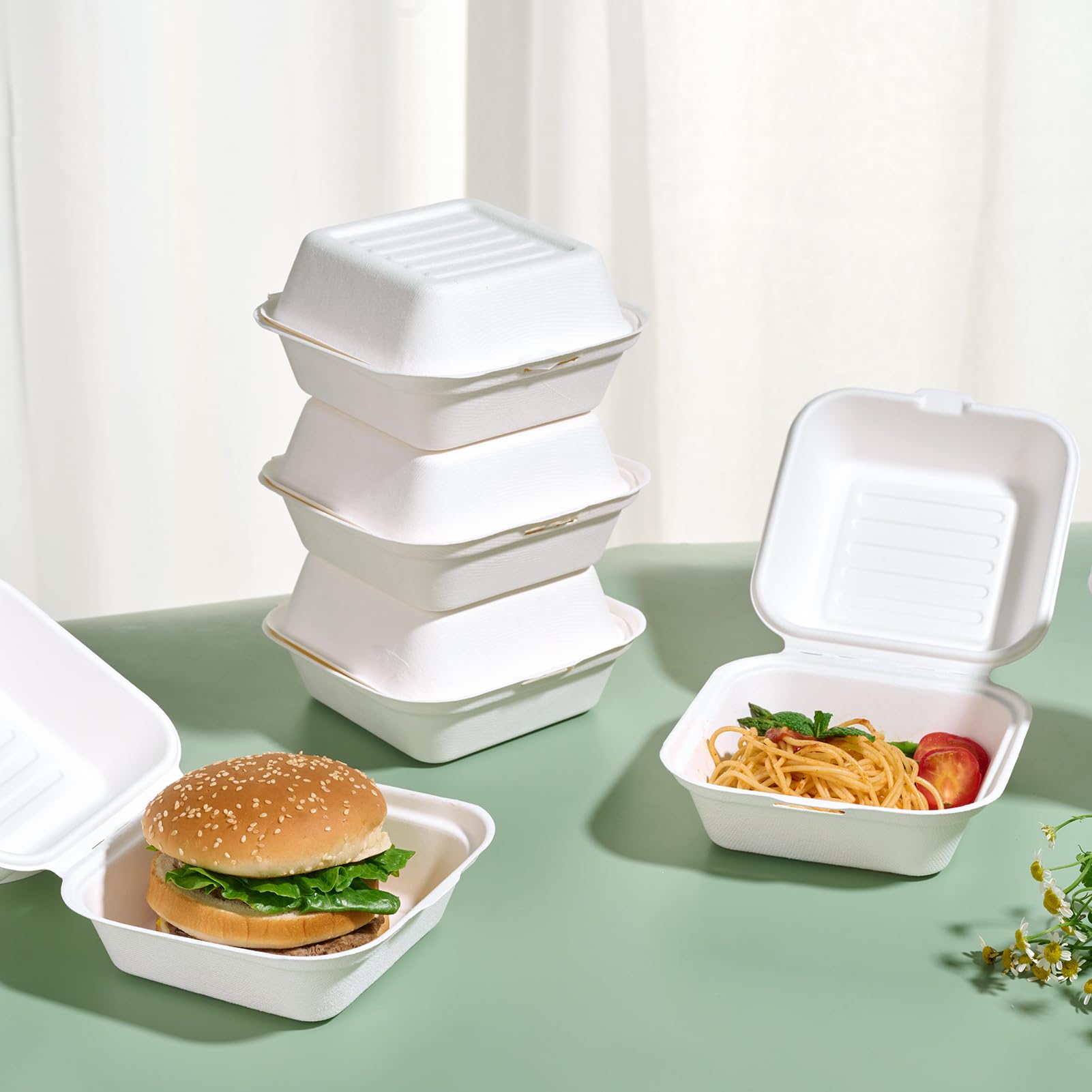
Selecting appropriate trays requires matching material properties to your specific menu demands. Start with heat resistance—if serving sizzling fajitas or fresh-from-the-fryer items, choose polycarbonate rated above 200°F or opt for stainless steel that handles any temperature without degradation. Evaluate cleaning requirements by testing whether materials resist staining from turmeric, tomato sauce, or barbecue glaze, and confirm they're dishwasher-safe for rapid turnover between services. Stackability directly impacts your limited storage space; trays with nesting designs reduce vertical storage requirements by 60% compared to flat-bottom alternatives. Ergonomic considerations matter during long service periods—textured grips prevent slippage when hands are wet or greasy, while balanced weight distribution reduces server fatigue. For BBQ platters loaded with ribs and brisket, prioritize deeper stainless steel trays with grease channels that contain juices and maintain presentation, whereas pastry displays demand clear polycarbonate with shallow profiles that showcase delicate items without overwhelming visual appeal. Match tray capacity to your typical portion sizes, ensuring each selection serves multiple menu applications to maximize return on your mobile kitchen supplies investment.
Specialized Supplies for a Thriving BBQ Food Truck
Running a BBQ food truck demands equipment specifically engineered to handle smoke, high heat, and the unique workflow of barbecue preparation and service. Offset smoker boxes or pellet smoker attachments transform standard grills into low-and-slow cooking powerhouses, delivering authentic smoke flavor that defines quality barbecue. Heat-resistant gloves rated to 932°F protect hands during brisket handling, coal adjustment, and grate cleaning—standard kitchen gloves simply melt under barbecue temperatures. Stainless steel meat claws accelerate pulled pork shredding while maintaining temperature and texture, turning a 15-minute task into a 3-minute operation during service rushes. Long-handled basting mops with cotton heads apply sauces and marinades without arm-scorching proximity to heat sources, while commercial-grade rib racks maximize vertical cooking space, allowing you to smoke 60 ribs where horizontal placement accommodates only 20. Heat retention becomes critical for mobile BBQ operations—insulated cambro containers maintain brisket at safe serving temperatures for hours without drying, while aluminum pans with fitted lids transport smoked meats from prep area to service window without temperature loss. Presentation tools matter equally; wooden serving boards showcase barbecue's rustic appeal, wax-lined paper creates authentic street-food aesthetics, and squeeze bottles deliver precise sauce application that customers expect from professional BBQ operations. These specialized supplies don't just support your menu—they define the quality, efficiency, and authenticity that separate memorable BBQ experiences from mediocre meals, directly impacting repeat business and word-of-mouth reputation in the competitive mobile food landscape.
Presentation and Service: Tools for a Professional Food Service Experience
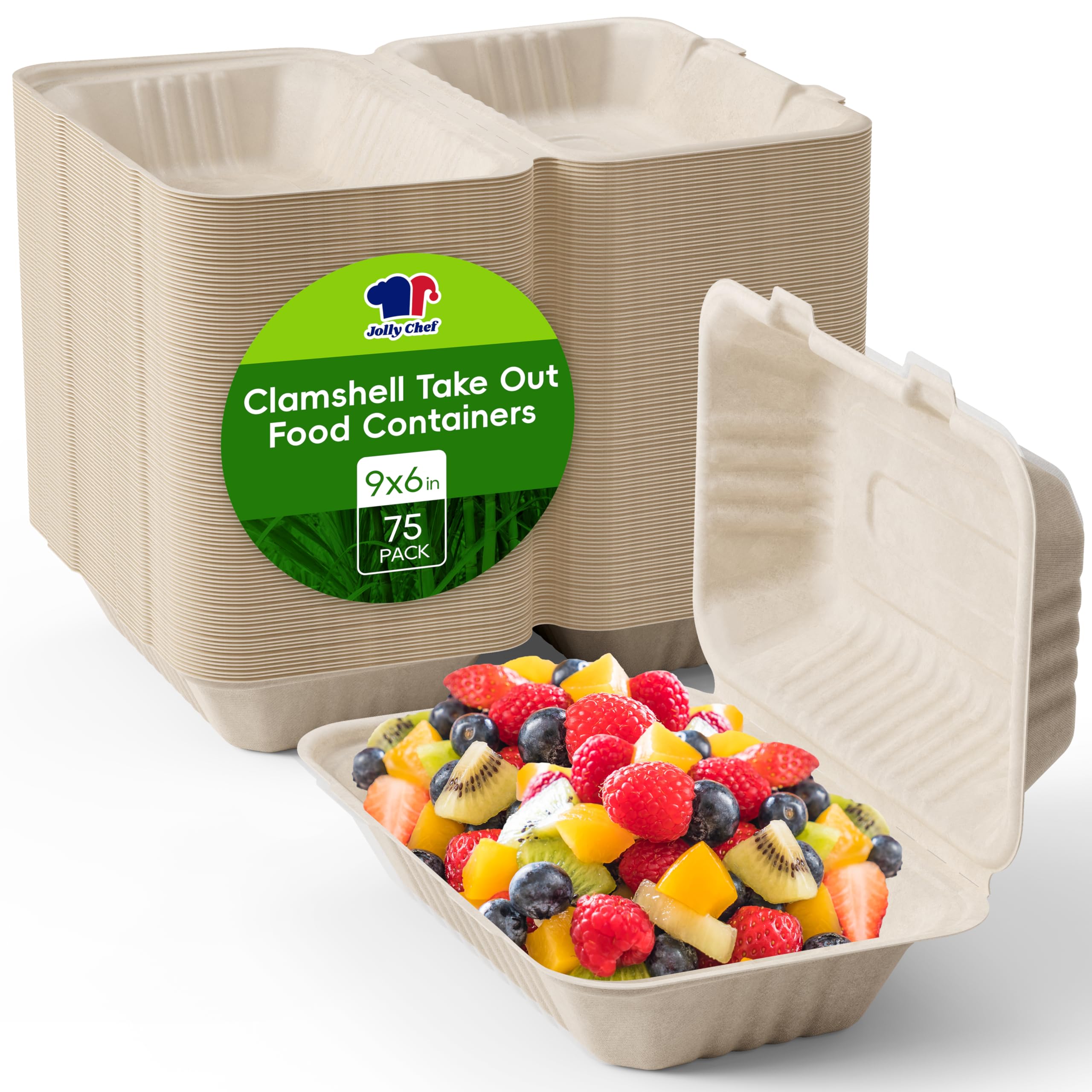
In mobile catering, presentation quality directly influences customer perception, pricing power, and repeat business opportunities. Professional food service demands equipment that elevates visual appeal while maintaining food safety and temperature control throughout service periods. Chafing dishes with windproof fuel cells keep entrees at optimal serving temperatures during outdoor events where ambient conditions fluctuate, while roll-top chafers provide elegant buffet presentations that protect food from airborne contaminants. Sneeze guards aren't merely health code requirements—clear acrylic barriers maintain sanitary conditions without obstructing customer views of your menu offerings, building trust through visible cleanliness standards. Serveware choices communicate your brand positioning; heavyweight melamine platters convey quality for upscale events where disposables undermine perceived value, whereas compostable bamboo fiber plates appeal to eco-conscious clients without sacrificing presentation integrity. Many mobile operators find that commercial-grade tableware from suppliers like Jolly Chef offers the durability needed for high-volume service while maintaining the professional appearance that justifies premium pricing. Condiment stations with pump dispensers and clearly labeled containers reduce waste, speed service flow, and prevent cross-contamination compared to communal squeeze bottles. Signage transforms functional service into marketing opportunities—menu boards with professional graphics command attention, ingredient labels address dietary concerns transparently, and branded serving vessels reinforce business identity with every customer interaction. These presentation tools combat the inherent challenges of outdoor food service where wind, sun, and temperature extremes threaten food quality and aesthetic appeal, ensuring that your mobile operation delivers experiences comparable to brick-and-mortar establishments while building the professional reputation that justifies premium pricing and secures high-value catering contracts.
Building Your Essential Food Truck Supplies Checklist
Creating a comprehensive inventory system prevents costly oversights and ensures operational readiness for any catering scenario. Organize your food truck supplies into five strategic categories that address every phase of mobile service. Food Prep essentials include cutting boards in multiple colors for cross-contamination prevention, commercial-grade knives that maintain sharpness through high-volume use, and nested mixing bowls that maximize limited storage space. Cooking supplies center on multi-functional equipment—griddles with reversible surfaces that switch from breakfast pancakes to lunch burgers, collapsible colanders that drain pasta then fold flat for transport, and universal lid sets that fit various pan sizes to reduce redundancy. Holding and Serving requires insulated transport containers that maintain food temperatures for three-plus hours, stackable serving utensils with heat-resistant handles, and portion-controlled scoops that ensure consistency while controlling food costs. Safety and Sanitation demands cannot be compromised—stock commercial sanitizer solutions, color-coded towels that prevent cross-use between surfaces, and first-aid supplies specifically designed for kitchen environments including burn treatments and cut-resistant bandages. Operational supplies keep your business running beyond food service: backup propane tanks prevent mid-service shutdowns, weatherproof cash handling systems protect revenue in outdoor conditions, and equipment maintenance kits address minor repairs before they become operational failures. Prioritize items that serve multiple functions, withstand frequent transport, and meet commercial health codes. Quality food truck supplies represent investments that reduce replacement frequency, minimize service disruptions, and build the operational reliability that transforms occasional customers into loyal followers who seek out your mobile kitchen at every opportunity.
Investing in Quality Equipment for Long-Term Mobile Food Service Success
Professional success in mobile catering fundamentally depends on strategic investment in equipment that performs reliably under the demanding conditions of outdoor food service. The supplies covered throughout this guide—from foundational cooking equipment and refrigeration systems to heavy-duty food trays that streamline every phase of operation, specialized BBQ tools that deliver authentic flavors, and presentation equipment that elevates customer experience—represent the difference between struggling operations and thriving mobile food businesses. Quality food truck supplies aren't expenses to minimize but investments that compound returns through faster service, reduced equipment failures, enhanced food safety compliance, and the professional image that commands premium pricing. Every heavy-duty tray that prevents spills during transport, every insulated container that maintains perfect serving temperatures, and every presentation tool that transforms functional service into memorable experiences contributes directly to customer satisfaction, positive reviews, and the repeat business that builds sustainable profitability. As you evaluate your current mobile kitchen setup, identify gaps where inadequate equipment compromises efficiency or quality, then systematically upgrade with commercial-grade supplies designed specifically for the unique demands of mobile food service. Your investment in the right equipment today builds the operational foundation for tomorrow's growth, positioning your catering business to accept larger contracts, expand menu offerings, and deliver consistently exceptional experiences that turn first-time customers into loyal advocates for your mobile kitchen.